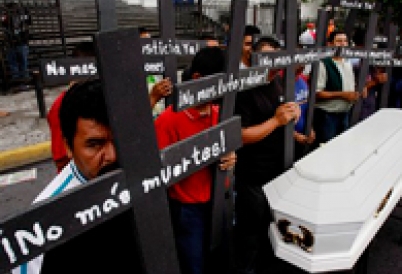
Central American leaders gathered in San Salvador July 20 to coordinate strategies for stemming the rising tide of violence caused by organized crime, particularly in the “northern triangle” of Guatemala, El Salvador, and Honduras.
The resignation of Carlos Castresana marks an alarming new juncture in the battle to regain control of state institutions from deeply entrenched criminal interests.
U.S. Secretary of State Hillary Clinton visited Barbados to support the recent launch of the Caribbean Basin Security Initiative. The agreement, proposed last year by U.S. President Barack Obama, provides funds for anti-corruption and counternarcotics operations in 15 Caribbean countries.
Recent civil unrest in Jamaica raised concerns about the goverment's ability to tackle criminal gangs and drug lords. Experts disagree on the prime minister’s future political prospects in the wake of turmoil in Tivoli Gardens sparked by the search for kingpin Christopher Coke.
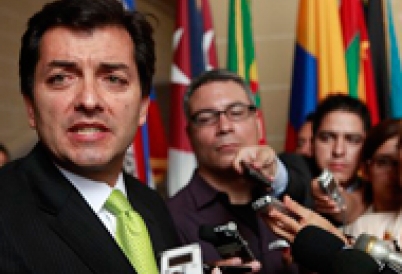
Panama's Ambassador to the U.S. on why the region needs to address security challenges collectively.
In order to strengthen the rule of law and foster social peace in crime-ridden and insecure communities, steps must be taken "to develop the institutional and physical infrastructure to integrate deprived communities into the nation state and the legal market economy," writes AS/COA's Christopher Sabatini in an article for The Huffington Post.
President of Mexico Felipe Calderón travels to Washington this week amidst ongoing security worries and rising U.S. tensions over immigration. But experts say the meeting also provides a chance to boost bilateral relations and cooperation.