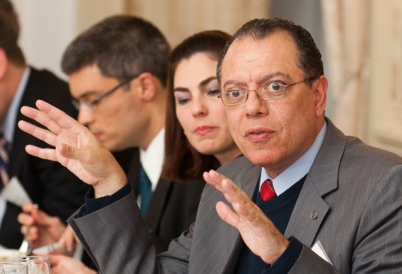
Brazil’s Science without Borders program is a $3 billion initiative to promote educational exchanges in science and technology. AS/COA Online learned more about the program from Dr. Glaucius Oliva, the president of the National Council for Scientific and Technological Development.

An Americas Quarterly web exclusive explores "pigmentocracy" research, which correlates skin color with educational attainment in Latin America.
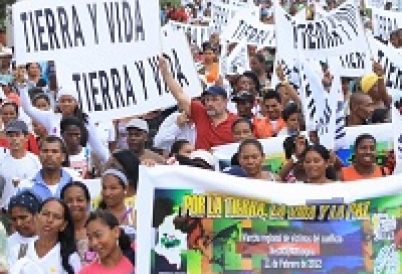
A new law years in the making will provide compensation and land to victims of Colombia’s protracted armed conflict. The Santos administration, which lobbied for the bill’s passage, rallied support for the law after it went into effect in 2012.
At this event, a precursor to the Spring 2012 issue of Americas Quarterly, panelists discussed the need to develop comprehensive measures of social inclusion, and the effort by developing countries to implement social inclusion policies.
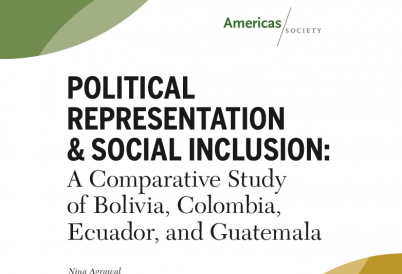
Does the increased presence of Indigenous and Afro-descendant representatives in Latin American legislatures make a difference in policy outcomes and laws for those populations? This white paper presents findings across four countries in select national congresses and assemblies from 1986 to 2012.
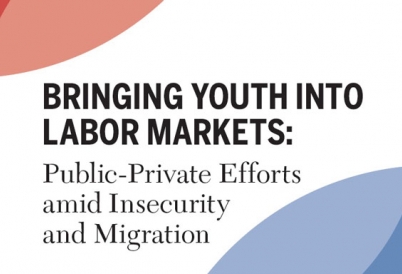
This white paper presents findings on ways to ease youth access to labor markets in Mexico and El Salvador, with lessons for the region as a whole. It draws attention to private-sector initiatives that promote youth employment through skills training, entrepreneurship, and support of at-risk youth.
A recent celebration in a small Brazilian town reveals that the Amazon is grappling with many of the same gay rights issues as the rest of the world.