In publicly recognizing that the events of June 2009 were a coup, the Honduran president may be seeking more normalized international relations at the risk of domestic alienation.
The Green Party's Antanas Mockus and the U Party's Juan Manuel Santos are neck and neck in Colombia's presidential race, according to polls released ahead of May 30 elections. Neither is expected to win the needed absolute majority, making a June 20 runoff likely.
Laura Chinchilla takes the reins in Costa Rica on May 8. The country's first female president initiated her policy agenda beforehand, naming ministers and touring Central America to promote regional unity and security.
Peter Siavelis of Wake Forest University writes about the challenges ahead for Chile’s two dominant political coalitions in the new issue of Americas Quarterly,out May 7. View the preview article.
Nicaraguan legislators reentered the National Assembly after government supporters blocked the entrance. They protested opposition lawmakers' attempts to overturn a decree that would enable President Daniel Ortega's reelection.
After sweeping victories in December, lackluster gains in the April 4 elections may point to future troubles for the MAS party.
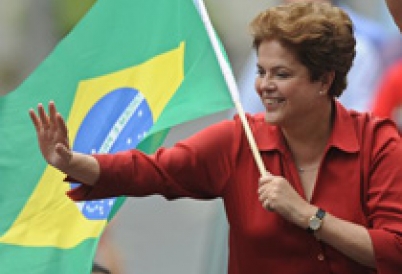
Brazilian President Luiz Inácio Lula da Silva this week announced a major infrastucture investment plan valued at roughly $880 billion. News of the plan could provide a boost to the political campaign of his chosen successor, Dilma Rousseff, ahead of the October 2010 election.