


A GUIDE TO
On October 4, nearly 160 million Brazilians will be eligible to vote for their president, governors, and national and state legislators. President Luiz Inácio Lula da Silva is seeking a fourth term and, though polls show he’s ahead, the race is far from decided. Senator Flávio Bolsonaro, the son of jailed former President Jair Bolsonaro, is challenging Lula and his Workers Party in a polarized political climate. Issues such as corruption, security, and Brazilians’ recently higher levels of personal debt are influencing voters, as are Supreme Court tensions and U.S. ties.
Campaigns officially kick off on August 16. If no victors are declared on election day, presidential and gubernatorial runoffs take place October 25.
AS/COA Online covers Brazil’s vote through explainers, poll trackers, podcasts, and more.
Share

With Flávio Bolsonaro pulling ahead in the first round, he and President Luiz Inácio Lula da Silva advance to an October 25 runoff.
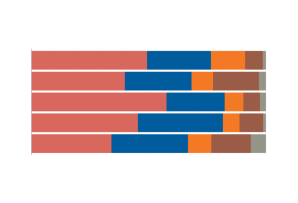
Can Flávio Bolsonaro maintain momentum or will President Luiz Inácio Lula da Silva mount a comeback in the October 25 runoff?
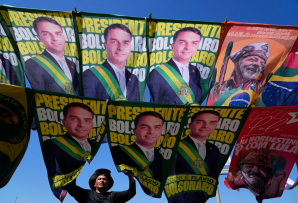
“This debate would have been an opportunity to stir up enthusiasm. But it’s so close, [they] opted for caution,” says AS/COA VP Brian Winter.

Quaest pollster Felipe Nunes explores how the country's jaded but politically engaged electorate view the tight Lula–Bolsonaro race.

The president and Bolsonaro scion Flávio are in a deadlock ahead of the October 4 vote in a race marked by corruption, security, and economic worries.
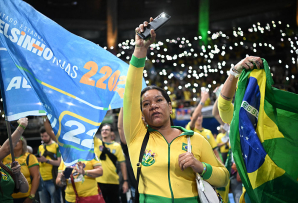
The Bolsonaro family has struggled with women voters, but inflation and other pocketbook issues may give them an opening now.

Political analyst Thomas Traumann on the mudslinging in the Supreme Court, and other factors in the October election
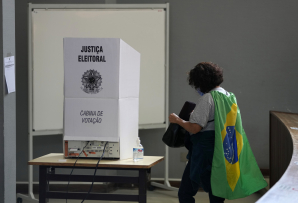
A presidential match-up between President Lula and Senator Flávio Bolsonaro will anchor Latin America’s largest electoral process of the year.

President Luiz Inácio Lula da Silva and Senator Flávio Bolsonaro lead polling ahead of the October 4 first-round vote.

The Igarapé Institute’s Robert Muggah discusses the evolution of criminal activity, as well as evidence-based solutions to violence.

The family is in danger of losing the October election, and possibly more than that, writes AQ’s editor-in-chief.

A veteran political analyst discusses voter trends and the issues that will shape the Lula-Flávio showdown.

To succeed in October's election, the son of Brazil's last president will have to convince those outside the conservative movement.
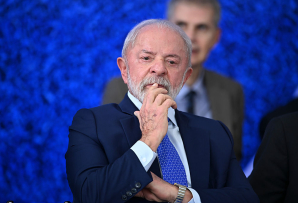
Brazil’s October election now looks like a coin-flip, writes AQ’s editor-in-chief.

AQ tracks key indicators and political and economic trends to watch in 2026.
Brazil, Colombia, Costa Rica, Haiti, and Peru plan to elect presidents in 2026. Learn about candidates and issues in each country.
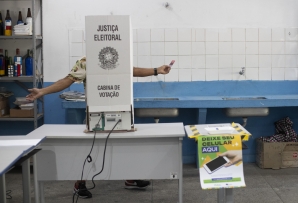
Political analyst Thomas Traumann examines gains by the opposition, as well as Lula's scenario for 2026 amid deep political divides.