Brazil’s 2026 Presidential Candidates: Lula, Bolsonaro, and Other Top Contenders
Brazil’s 2026 Presidential Candidates: Lula, Bolsonaro, and Other Top Contenders
The president and Bolsonaro scion Flávio are in a deadlock ahead of the October 4 vote in a race marked by corruption, security, and economic worries.
This article was originally published on Monday, September 21, and was updated on September 25, 2026.
Brazilian voters are tired. More than 70 percent say the country is polarized, and nearly half of that group says the division is wearing them out, per a September poll. The two frontrunners, leftist President Luiz Inácio Lula da Silva and right-wing Senator Flávio Bolsonaro, are running with rejection rates around 50 percent. And, after a year of observers noting security as a main voter concern, corruption rose as a top issue with only three weeks to go before the October 4 first-round vote. Why? Investigations into a massive financial scandal centered on banker Daniel Vorcaro indicate links to both the Bolsonaro and Lula campaigns. The scandal has also ensnared members of the Supreme Court such as Alexandre de Moraes, the justice behind the conviction of ex-President Jair Bolsonaro (2019–23), Flávio’s father.
Polling points to a tight race and the need for an October 25 runoff. Out of 13 presidential candidates, only four qualify for daily radio and TV ads. And, alongside the two poll leaders, four candidates qualified for debate participation: Augusto Cury, Renan Santos, Ronaldo Caiado, and Romeu Zema.
AS/COA Online highlights the top candidates' backgrounds, campaigns, and aspirations for the race.
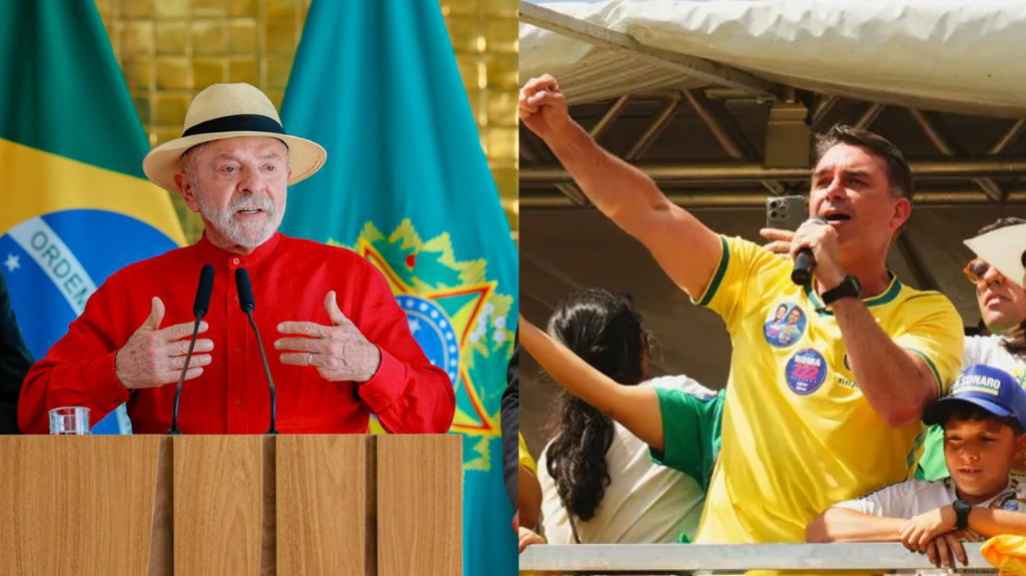
Can Flávio Bolsonaro maintain momentum or will President Luiz Inácio Lula da Silva mount a comeback?
“Brazil will not be anyone’s colony.”
Running mate: Geraldo Alckmin, current vice president and a former opponent who represents the Brazilian Socialist Party
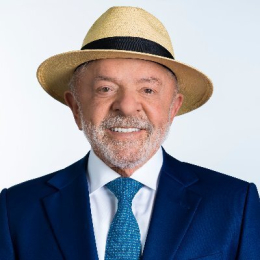
President Lula (2003–2011, 2023–present), 80, is competing in his seventh presidential election and seeking his fourth victory. He began his political career while working as a union leader for metalworkers and, in 1980, cofounded the Workers’ Party (PT). After losing the São Paulo gubernatorial race in 1982, he made his first presidential bid in 1989, following Brazil’s return to democracy. He won the presidency on his fourth attempt in 2002, won reelection four years later, was barred from running in 2018, and was elected again in 2022. (Presidents serve four-year terms and can be reelected for a consecutive second term and run again for nonconsecutive terms.)
With an approval rating of 80 percent when he left office at the end of his second term in 2010, Lula was one of the most popular leaders in the world, buyoed by a presidency that coincided with 40 million people rising out of poverty and a commodity boom. More recently, however, he’s faced increasing disapproval amid the rise of the Bolsonaros’ right-wing movement. His 2022 comeback after two years in prison for corruption—charges for which he received a pardon— marked his narrowest win.
The economic gains of his third term, such as low inflation, low unemployment, and GDP growth above the G20 average, are not offsetting voter discontent over affordability concerns. While 64 percent of Brazilians say their income rose in the last year, only 10 percent say it outpaced cost-of-living increases. The president has sought to capitalize on a proposed constitutional amendment that reduces workers’ hours without cutting pay, as well as a federal program called Desenrola Brasil (Untangle Brazil) to address high household debt, but his disapproval ratings hit 50 percent in September, per pollster Quaest.

Voters are feeling the squeeze from high interest rates and other factors.
“We will not give up on Brazil.”
Running mate: Alfredo Gaspar, Liberal Party congressman from Alagoas state
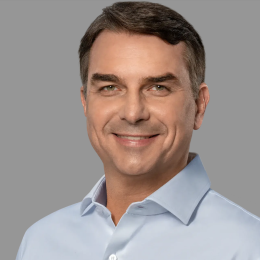
Bolsonaro, 45, a lawyer and Rio de Janeiro senator, is the eldest son of imprisoned ex-President Jair Bolsonaro, who anointed Flávio as his political successor in December 2025. Bolsonaro began his political career in 2002, as a four-term state deputy for Rio de Janeiro. He ran unsuccessfully for Rio de Janeiro mayor in 2016.
Bolsonaro is the best-known candidate on the right, representing an anti-Lula movement and seeking to present a more moderate version of his father’s policies. Security is a top priority for voters, and the senator is campaigning on a hardline public security platform he calls “Brazil without Fear.” He supports the U.S. designation of certain Brazilian criminal groups as terrorist organizations and has pitched building maximum-security prisons and stiffening penalties for minor crimes.
He also promises to reduce bureaucracy, control inflation, and boost Brazil’s energy and critical minerals sectors. His alignment with the Trump administration involves plans to make Brazil the answer to Washington’s rare-earth needs.
In a tight race, Flávio Bolsonaro must win over women voters, a group that helped elect Lula in the past and disapproved of his father’s handling of the COVID-19 pandemic. That goal has not been aided by a public spat with his stepmother, former First Lady Michelle Bolsonaro, the most prominent woman politician on the right and a key political figure among evangelicals. But the candidate appears to be making progress with young women in the Southeast, per recent polls.
From poll trackers to podcast episodes to key facts, our guide tracks Latin America’s largest election this year.