


A GUIDE TO
Five Latin American countries—Brazil, Colombia, Costa Rica, Haiti, and Peru—plan to hold elections in 2026 to vote for their presidents and national legislators. Voters in Bolivia, Ecuador, Mexico, and Paraguay will also hold subnational elections.
Then, in November, the United States, where around 15 percent of eligible voters are Latino, will hold midterm elections to refresh all seats in the House of Representatives and a third in the Senate. Several U.S. states and cities will also host gubernatorial and mayoral contests.
AS/COA Online covers the region’s major races through explainers, poll trackers, podcasts, and more.
The Calendar:
Costa Rica: February 1 legislative and presidential elections; April 5 presidential runoff
Colombia: March 8 legislative elections; May 31 presidential elections; June 21 presidential runoff
Bolivia: March 22 departmental-level legislative, gubernatorial, and municipal elections; April 19 gubernatorial runoffs
Peru: April 12 legislative and presidential elections; June 7 presidential runoff; October 4 regional and municipal elections
Mexico: June 7 Coahuila state legislative elections
Brazil: October 4 state-level, legislative, and presidential elections; October 25 gubernatorial and presidential runoffs
Paraguay: October 4 municipal elections
United States: November 3 legislative, gubernatorial, and municipal elections
Ecuador: November 29 provincial and municipal elections
Haiti: December 13 legislative and presidential elections; February 21, 2027 legislative and presidential runoffs (dates tentative)
Share
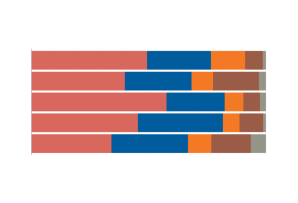
Can Flávio Bolsonaro maintain momentum or will President Luiz Inácio Lula da Silva mount a comeback in the October 25 runoff?

Quaest pollster Felipe Nunes explores how the country's jaded but politically engaged electorate view the tight Lula–Bolsonaro race.

The president and Bolsonaro scion Flávio are in a deadlock ahead of the October 4 vote in a race marked by corruption, security, and economic worries.
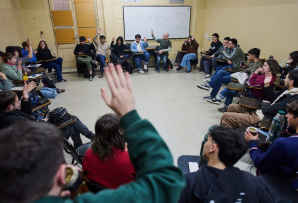
Pew, U.S.–Mexico Foundation, and AMLAT Radar experts unpack new survey data on changing attitudes toward the midterms, U.S.–Mexico ties, and global powers.
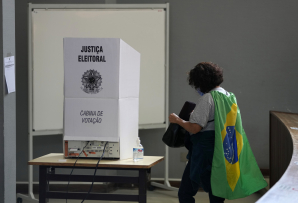
A presidential match-up between President Lula and Senator Flávio Bolsonaro will anchor Latin America’s largest electoral process of the year.
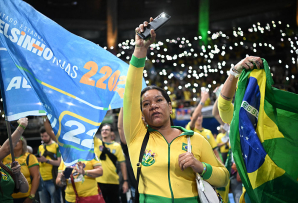
The Bolsonaro family has struggled with women voters, but inflation and other pocketbook issues may give them an opening now.
Meet the ministers who will support the far-right leader when he assumes the Colombian presidency on August 7.
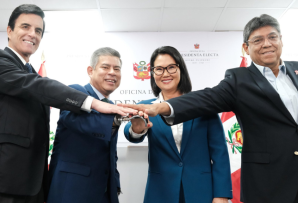
Learn about the background and goals of the ministers supporting the new president, including Prime Minister Galarreta and Finance Minister Cuba.

The president, who took office August 7, unveiled shifts on security, diplomacy, U.S. ties, and an Israeli rapprochement ahead of his inauguration.
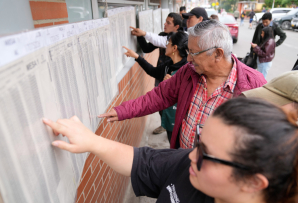
The former Peruvian finance minister analyzes the social, political, and foreign policy tensions awaiting the new administration.
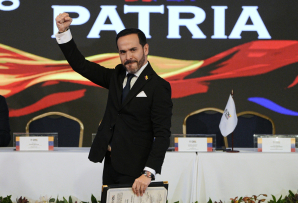
Learn about the background of the race and the victory of right-wing lawyer Abelardo de la Espriella.
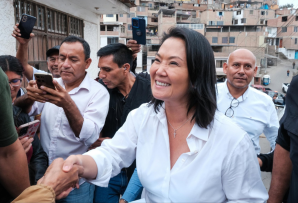
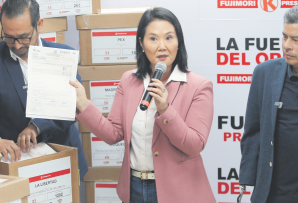
Keiko Fujimori emerged from the runoff with a razor-thin victory. Her term begins on July 28. Learn about her campaign and key moments of a tight election.
The right’s Abelardo de la Espriella won the top spot in the first round to face leftist and ruling party candidate Iván Cepeda in the June 21 runoff.
Keiko Fujimori and Roberto Sánchez will compete in the June 7 runoff that pits right versus left.

Far-right lawyer Abelardo de la Espriella is headed for a tight win in a runoff that saw record turnout.

How did the right’s Abelardo de la Espriella and the left’s Iván Cepeda conclude campaigns before the June 21 election?
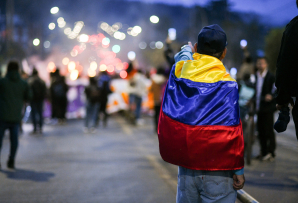
The Bogotá-based political scientist covers what's at stake in the June 21 runoff between the right's Abelardo de la Espriella and the left's Iván Cepeda.
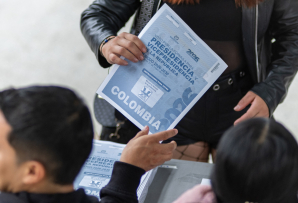
From fraud claims to a deflated centrist vote, find out about the May 31 presidential election ahead of what will be a left-right June 21 showdown.
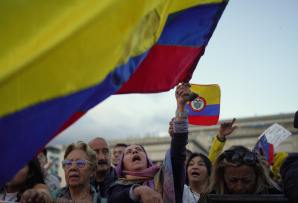
“De la Espriella has something that Cepeda also has ... popular fervor,” said the Bogotá-based analyst ahead of the May 31 presidential vote.
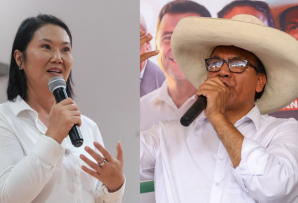
On her fourth try, conservative Keiko Fujimori faces off against leftist Roberto Sánchez after a first-round vote marred by mishaps.

Learn about the leading contenders’ campaigns and promises ahead of the May 31 first round.
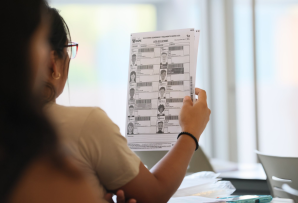
“This is the most complicated election we’ve worked on,” says the head of the major pollster, who discusses voter volatility ahead of the April 12 vote.
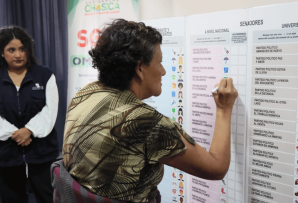
Learn about the youth vote, changes to Congress, and top voter concerns as the Andean country readies to cast ballots on April 12.
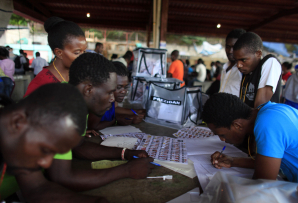
GI-TOC's Haiti and Caribbean Observatory head Romain Le Cour analyzes the local and international efforts to ready an August vote amid a security crisis.
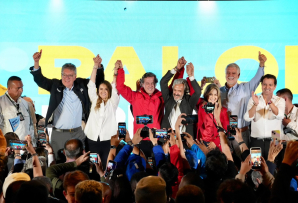
Paloma Valencia’s win in the center-right coalition may reset the race, but the next government will need to build alliances in a fragmented Congress.
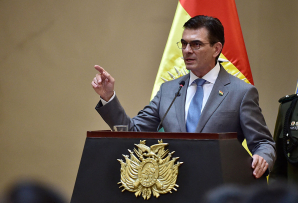
The March 22 subnational elections are a critical bellwether of support for the president in Bolivia’s shifting political landscape.

Rising crime rates and protracted political instability top voter concerns ahead of the April 12 first-round vote. All seats in Congress are also up for election.
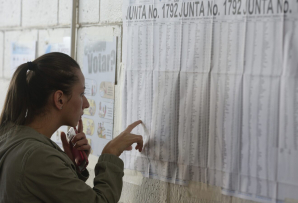
Laura Fernández, President Rodrigo Chaves’ former chief-of-staff, is polling high enough to potentially avoid a runoff. Ticos vote on February 1.
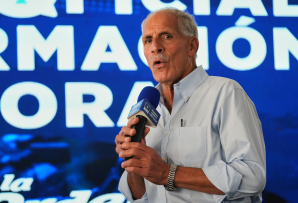
Laura Fernández, running to continue President Rodrigo Chaves’ agenda, may win in the first round of a February 1 election marked by insecurity woes.
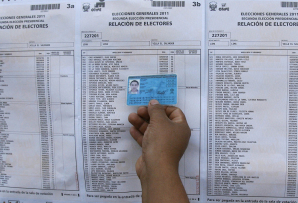
The Trump-endorsed politician was declared victorious after a tumultuous vote. He’s banking on closer U.S. ties to push his infrastructure-focused agenda.

The Igarapé Institute’s Robert Muggah discusses the evolution of criminal activity, as well as evidence-based solutions to violence.
Brazil, Colombia, Costa Rica, Haiti, and Peru plan to elect presidents in 2026. Learn about candidates and issues in each country.
Brasil, Colombia, Costa Rica, Haití y Perú tienen previsto elegir presidentes en 2026. Conozca a los candidatos y los temas clave en cada país.

Past guests rejoin us to share what to watch in the year ahead. Plus, the OAS’ Gerardo de Icaza covers polarization’s impact on elections.
Sergio Guzmán of Colombia Risk Analysis speaks on the bilateral relationship as the Andean country’s 2026 elections approach.
Bloomberg’s Marcelo Rochabrún and Universidad del Pacifico’s Javier Albán analyze what to expect a year ahead of the presidential vote.

Public security tops voters’ concerns ahead of the February 1 election.