Speakers at this October 29 featured experts from the Mexican government, multilateral organizations, and the private sector. Their discussion focused on project financing, public-private partnerships, and regulatory frameworks to attract private investors.
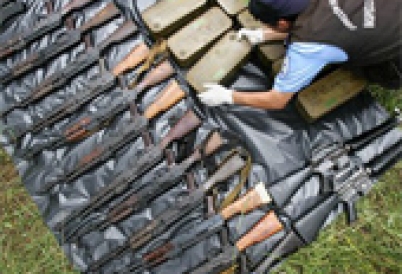
The U.S. Department of Justice announced a major bust of over 300 people linked to La Familia, a violent Mexican drug cartel. The crackdown involved massive drug seizures and spanned 19 states.
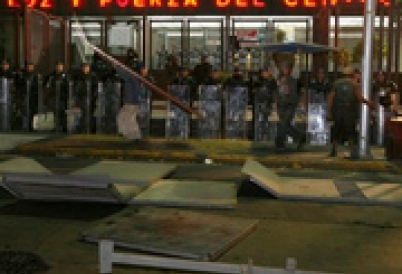
Citing inefficiencies, poor service, and bloated costs, the government of Mexican President Felipe Calderón dissolved the country's second biggest electric company on October 11. But even as the move drew cheers, it also drew protests from unions and congressional opponents.
This AS/COA Miami panel offers insights into how the economic crisis offers Mexico a chance to effect positive policy changes. Mexican Ambassador to the U.S. Arturo Sarukhan was a keynote speaker.
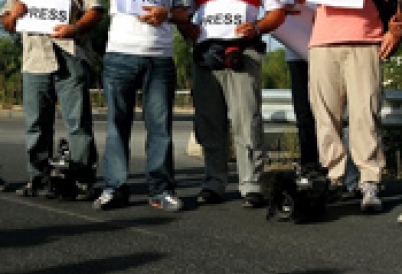
While some journalists reporting in Latin America face threats to personal security, others deal with official intimidation in what some warn could roll back hard-won press freedoms. But governments and journalists have also taken steps to ensure greater access to information.
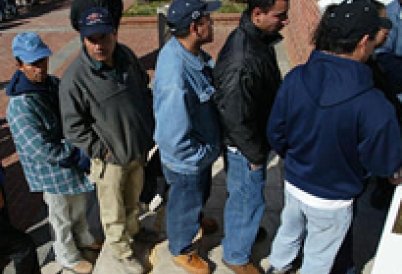
The White House predicts little movement on comprehensive immigration reform before 2010. The ailing economy taking up much of the Obama administration’s time has shown its impact in immigration and remittances as well.
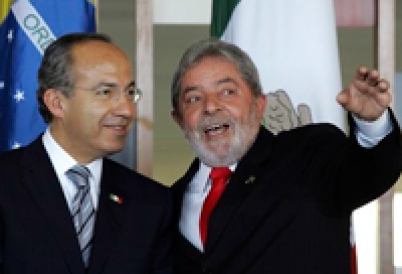
Mexican President Felipe Calderón’s meeting with Brazilian counterpart Luiz Inácio Lula da Silva gave the leaders of the two biggest Latin American economies the chance to talk about boosting cooperation on trade and energy.