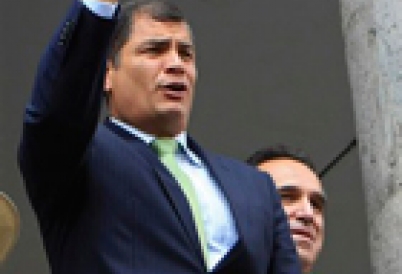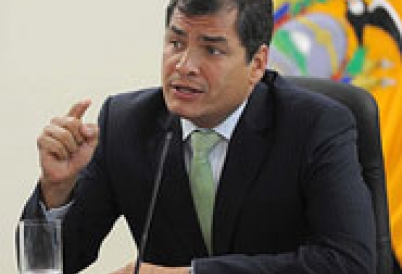
In order to expedite an overhaul of Ecuador’s judiciary, President Rafael Correa has declared a 60-day state of exception. But opponents allege that the president is blurring the separation of powers.
Ecuador
"In both Ecuador and Bolivia, the rhetoric of political inclusion is crashing into the politics of identity and collective rights," writes AS/COA's Christopher Sabatini for The Huffington Post.
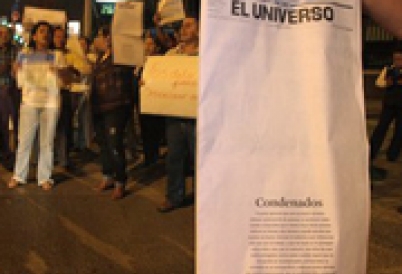
An Ecuadoran court convicted a daily newspaper's directors of defamation July 20, sparking an international uproar from press freedom advocates and shining a light on Latin American libel laws.
"These reforms—if implemented as President Correa has promised—will vest the executive with a troubling degree of discretionary power over two areas key for democratic stability," says AS/COA's Christopher Sabatini of the Ecuadorean referendum that would give the president increased control over the media and judiciary.
Exit polls show that Ecuadorans largely voted in favor of a 10-point referendum on May 7. But even though voters backed President Rafael Correa’s proposals, some changes—such as media and judiciary reforms—remain controversial.
A referendum proposed by Ecuadoran President Rafael Correa would reform the judiciary and crack down on crime, but critics say it will strengthen the executive’s hand.
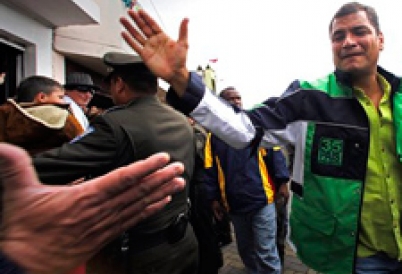
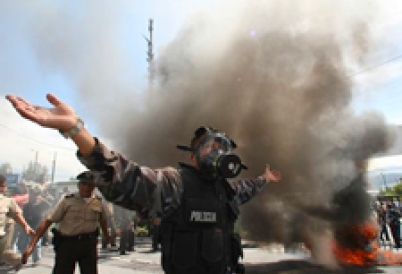
Ecuador declared a state of emergency September 30 after police clashed with President Rafael Correa and his supporters, sparking a national crisis. Access an AS/COA resource guide to reactions and coverage.