Energy Price Hikes Spark Strikes in South America
Protests in southern Chile over proposed fuel increases cast a spotlight on rising energy costs and echoed recent Bolivian demonstrations.


Protests in southern Chile over proposed fuel increases cast a spotlight on rising energy costs and echoed recent Bolivian demonstrations.
Exclusive Preview: Albert Fishlow explores what Dilma's government will mean for Brazil's economic and foreign policy in the forthcoming AQ.
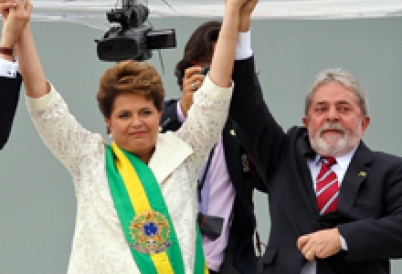
Promising to build on her predecessor's successful economic and social policies, Dilma Rousseff was inaugurated as Brazil's first female president on January 1 in Brasilia. The former presidential chief of staff built a cabinet of continuity, hoping to continue her country's prosperity.
Brazil, Chile, Colombia, and Costa Rica elected new presidents in 2010. AS/COA Online takes a look at these new leaders and considers the major events shaping their presidencies.
Panelists at the AS/COA panel on private equity (PE) in Latin America agreed that PE investment is new and relatively risky, but essential to the continued growth of emerging business in the region.
The Cancun climate talks that closed December 10 achieved near unanimity compared to the discord at last year's Copenhagen conference. But many observers call the COP16 agreement "modest" and debate its long-term viability.
In a new interview with The Washington Post's Lally Weymouth, Brazilian President-elect Dilma Rousseff touches on topics ranging from her post-inauguration plans to visit the White House to Brazil's attitudes toward Iran to her plans for fiscal policy and poverty alleviation.