The Bolivian president will be faced with political and economic constraints that—if dealt with correctly—could propel him to being a leading figure of the Left.
Sebastian Piñera pulled in 44 percent of the vote in Chile's December 13 elections against ex-president Eduardo Frei and newcomer Marco Enríquez-Ominami. His victory marks the first by a conservative since the fall of Augusto Pinochet. With no candidate securing the necessary majority, a runoff is set for January.
"In supporting the [Honduran] elections, the United States led a forward-looking effort to establish a path out of the constitutional crisis so as not to create a Central American pariah state," argues COA's Eric Farnsworth in this op-ed he co-authored for The Miami Herald.
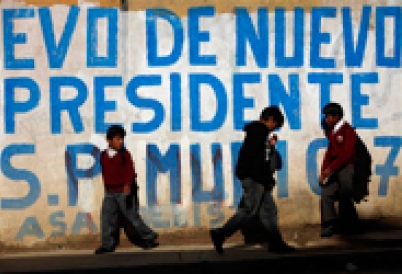
President Evo Morales won December 6 elections by pulling in roughly 35 percent more votes than his top rival. Moreover, his Movement Toward Socialism political party gained control of the Senate to gain a congressional majority.
Before the United States agrees to lift more sanctions toward Cuba, Havana must allow for greater political and economic freedoms.
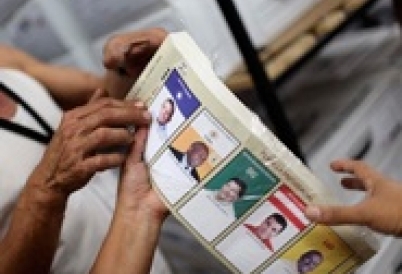
Hondurans headed to the polls November 29 to elect Porfirio "Pepe" Lobo as the next president. But, with hemispheric leaders divided over whether to recognize the outcome and questions remaining about the restitution of a deposed president, the country's political fate remains unclear.
Uruguayans chose José "Pepe" Mujica of the governing party as their next president in November 29 roundoff elections.The high approval ratings of the current administration likely gave an electoral boost to Mujica, a former guerilla who pledged to follow his predecessor's path and identified Brazil's president as his model.