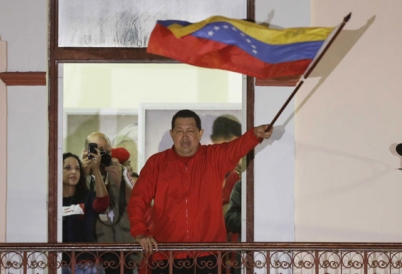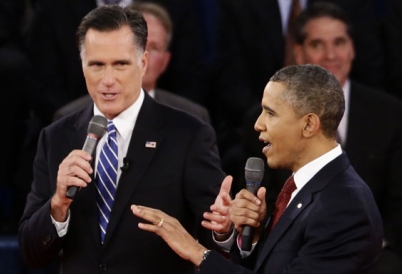
"Democratic principles may sometimes be difficult or unpopular to defend, but in Latin America, as elsewhere, they are precious and well worth the fight," writes COA's Eric Farnsworth in an op-ed for The Miami Herald.
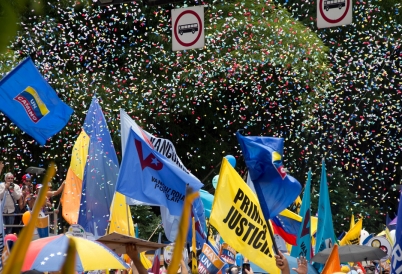
Henrique Capriles Radonski won the nomination of Venezuela’s opposition coalition in the Sunday primary. With the backing of a unified opposition, can he pose a challenge to President Hugo Chávez in the October election?
On February 9, AS/COA hosted a panel discussion about the upcoming Venezuelan referendum and its implications on public opinion, economic impact, and constitutional implications.
Henrique Capriles Radonski, the likely winner of the opposition primary on February 12, may have to contend with more than just President Chávez in his quest for the presidency.
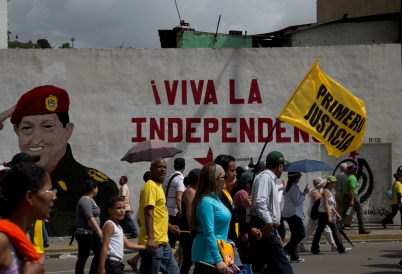
On February 12, Venezuela will hold its first universal opposition primary as contenders vie to run against President Hugo Chávez in the October election. While the opposition prepares its campaign, Chávez plans for heavy spending in the year ahead.
After winning her party’s primary, Josefina Vázquez Mota will represent Mexico’s National Action Party in July’s election. She faces an uphill battle against frontrunner Enrique Peña Nieto, but some observers point out the presidential vote is a long way off and the race could tighten.
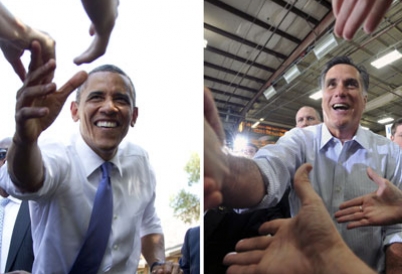
Hispanic voters gave Mitt Romney a boost in Florida's GOP primary, choosing the ex-governor by over a three-to-one margin compared to his top rival New Gingrich. How did the distinct characteristics of the state's Latino voting bloc play out in the primary race?