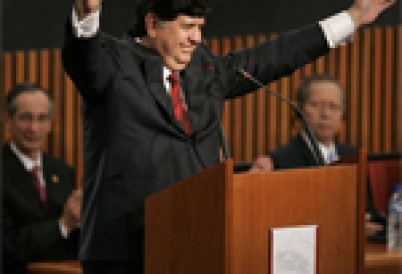
Leaders from the European Union and Latin America gathered in Lima for a biennial summit, focusing on trade, inequality, and climate change as rising food prices threaten to exacerbate poverty.
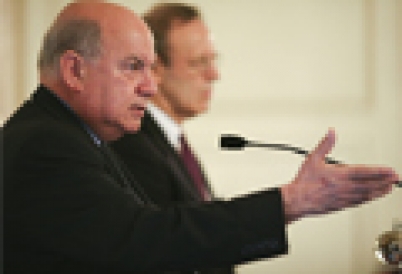
In an AS/COA Online interview, OAS Secretary General José Miguel Insulza describes the role of the agency in negotiating recent border tensions between Ecuador and Colombia, autonomy and recall votes in Bolivia, and U.S.-Cuba relations. "[T]he OAS has to prove itself as the main forum for political dialogue in the Americas," said Insulza.
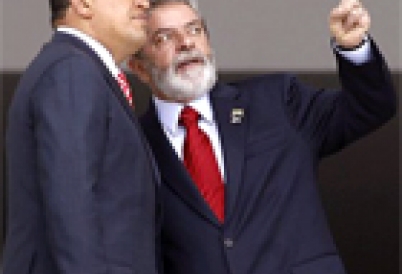
A proposal to create a South American defense alliance arose last week during a Brazil-Venezuela summit. As tensions between Ecuador and Colombia continue, Brazilian officials recommend a defense board to mediate in regional disputes.
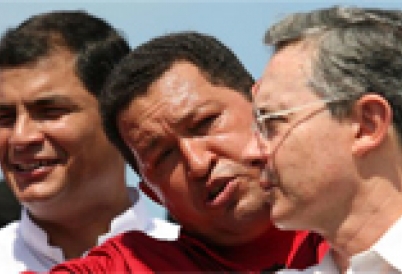
Presidents of Colombia, Ecuador, and Venezuela ended their standoff and the FARC appears increasingly weakened. But the contents of an assassinated FARC leader's laptop suggest the group's reach extends well past Colombia's borders.
Bolivia struggles to maintain contractual commitments to Argentina and Brazil, leading to a recent leader’s meeting in Buenos Aires about the matter. In Venezuela, fallout continues following last year's nationalizations.
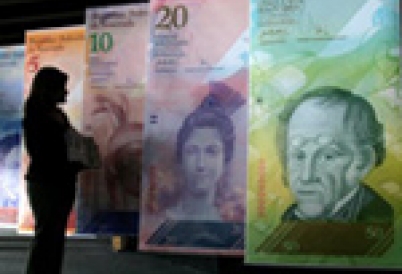
Caracas began the year by knocking zeros off its currency, but experts say the move won’t keep inflation in check. A cabinet shuffle and the currency change came a month after voters rejected an overhaul of the constitution.
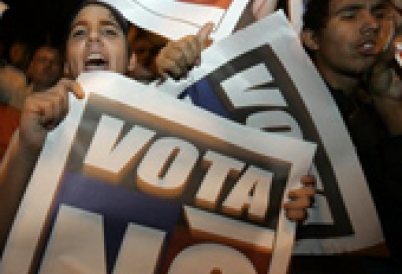
In a Sunday referendum, Venezuelans narrowly rejected sweeping constitutional changes. President Hugo Chavez, suffering his first electoral defeat since gaining office in 1998, accepted the loss "for now." AS/COA’s Latin America Conference featured a discussion panel on the referendum.