After months of debate, Mexico’s Congress overwhelmingly approved energy reform with the goal of ending a production slump. The reforms strengthen the authority of Pemex’s management, amongst other changes. But some analysts wonder if the new laws go far enough.

Voters in Brazil and Mexico turned out for local elections Sunday. Brazil's Worker's Party, buoyed by the president's popularity, made nationwide gains while in Mexico the Institutional Revolutionary Party won legislative seats and mayoralties. Security was a top concern on election day in both countries.
AS/COA 's Christopher Sabatini lays out the implications of Republican candidate John McCain's hesitation to meet with Spain's Prime Minister José Luis Rodríguez Zapatero. (en español)
Longstanding Latin American goals for integration come to fruition as governments across the region sign deals for infrastructure projects. The pacts provide new opportunities to link coasts, deepen energy cooperation, and support transportation initiatives.
Wall Street's September 29 tumble sent shockwaves through Latin American markets, which saw recovery on Tuesday. Officials in several countries, particularly Brazil, maintain that their economies stand better prepared for crisis than in the past as a result of lower public debt and diversification of export markets.
En un artículo de opinion para El Diario/La Prensa, Christopher Sabatini de AS/COA analiza el alcance de la Iniciativa Mérida para combatir el crimen y la violencia en México. Además comenta sobre las fallas de dicha iniciativa en localizar las causas del problema de la falta de seguridad en la región.
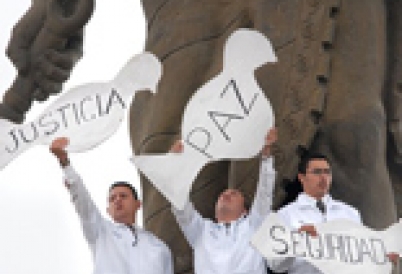
The Mexican government signed a series of laws to combat the rise in kidnappings while civic groups hold for a national march to protest violence. But in the face of widespread insecurity, concerns remain about how to control crime sparked by an escalating drug war.