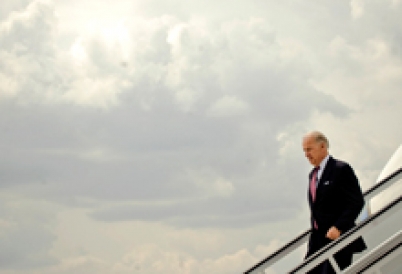
In March Visit to Honduras and Mexico, Biden Seeks to Build Cooperation
U.S. Vice President Joe Biden will travel to Mexico and Honduras next month ahead of April’s Summit of the Americas.


U.S. Vice President Joe Biden will travel to Mexico and Honduras next month ahead of April’s Summit of the Americas.
AS/COA presented a panel discussion with leading experts on Mexico’s political and economic outlook leading up to the 2012 presidential elections.

Higher foreign exchange reserves will help Latin America to withstand global economic pressures.
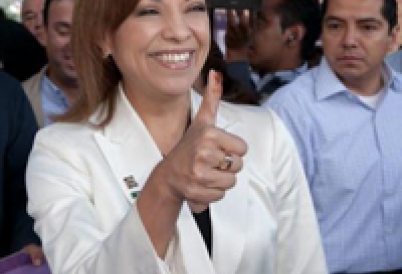
After winning her party’s primary, Josefina Vázquez Mota will represent Mexico’s National Action Party in July’s election. She faces an uphill battle against frontrunner Enrique Peña Nieto, but some observers point out the presidential vote is a long way off and the race could tighten.
This white paper presents findings on ways to ease youth access to labor markets in Mexico and El Salvador, with lessons for the region as a whole. It draws attention to private-sector initiatives that promote youth employment through skills training, entrepreneurship, and support of at-risk youth.