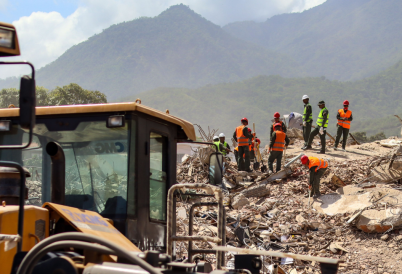
The IRC’s Rafael Velasquez and CAF’s Ángel Cárdenas Sosa discuss the short- and long-term priorities for funding recovery after the June 24 earthquakes.
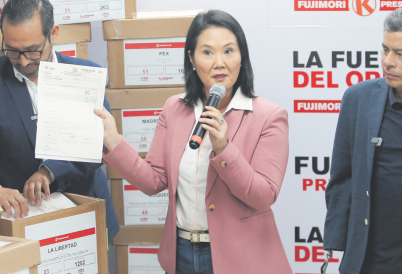
The former Peruvian finance minister analyzes the social, political, and foreign policy tensions awaiting the new administration.
The Bogotá-based political scientist covers what's at stake in the June 21 runoff between the right's Abelardo de la Espriella and the left's Iván Cepeda.
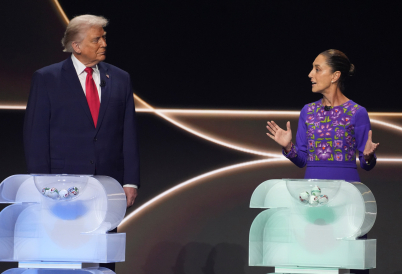
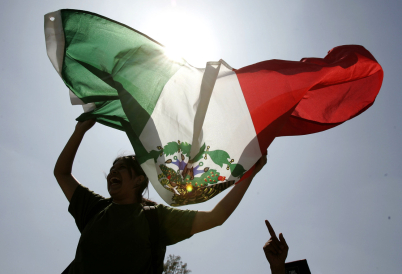
Mexico’s former foreign minister covers recent bilateral turbulence, the Cuba factor, and what U.S. midterms mean for relations.
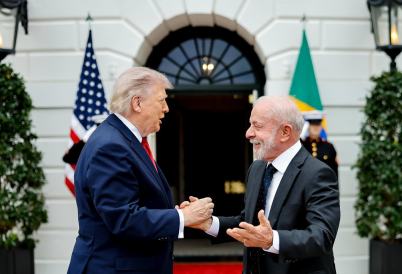
CEBRI’s Fernanda Magnotta takes the temperature of the bilateral relationship after a May meeting focused on tariffs and rare earths.
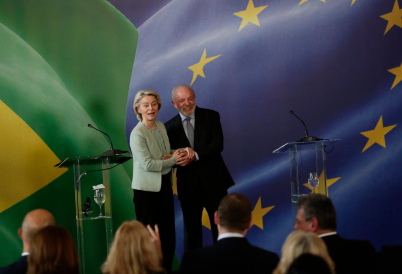
Trade expert Kellie Meiman Hock returns to explain how the EU-Mercosur deal fits a pattern of countries seeking to diversify in a shifting trade context.
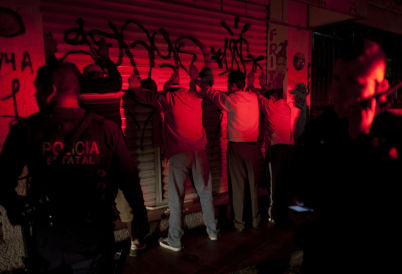
El Mencho’s payroll ledger revealed how cartels fill ranks. Mathematician Rafael Prieto-Curiel shows why stemming recruitment is the key to curb violence.
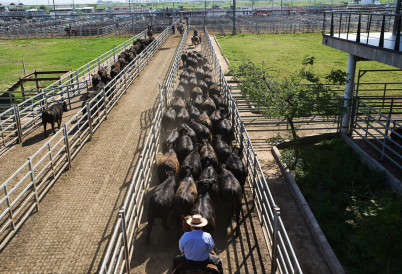
Argentine foreign affairs expert Francisco Resnicoff covers how the sale of South American red meat is shifting through new trade pacts and relationships.
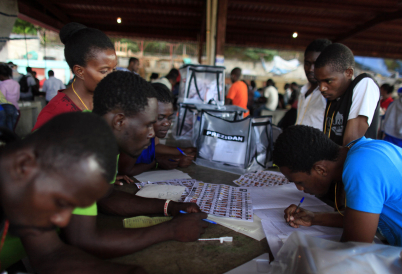
GI-TOC's Haiti and Caribbean Observatory head Romain Le Cour analyzes the local and international efforts to ready an August vote amid a security crisis.
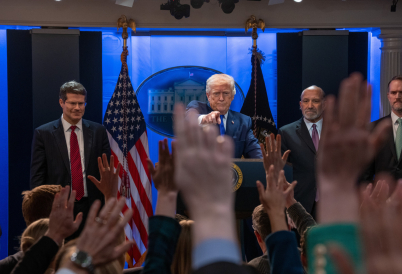
CSIS’ Diego Marroquín Bitar explains what the SCOTUS decision means for U.S. trade policy and the other options in the president’s tariff "arsenal."
Journalist Alex González Ormerod and historian Gema Kloppe-Santamaría cover why Mexico hasn’t joined Latin America’s rightward tilt and what could change.
The Andrés Bello Foundation’s Parsifal D’Sola Alvarado covers what the post-Maduro era means for Beijing’s strategy in Latin America.
The Igarapé Institute’s Robert Muggah discusses the evolution of criminal activity, as well as evidence-based solutions to violence.
Past guests rejoin us to share what to watch in the year ahead. Plus, the OAS’ Gerardo de Icaza covers polarization’s impact on elections.
The former Chilean finance minister presents new economic principles for a twenty-first century approach.
Texas A&M's Diego von Vacano traces a history of political and economic obstacles stifling the sector and outlines the path ahead for the new president.
International lawyer and columnist Paz Zárate discusses the candidates and compulsory voting as the November 16 first round nears.
Sergio Guzmán of Colombia Risk Analysis speaks on the bilateral relationship as the Andean country’s 2026 elections approach.
Ambassador Sarah-Ann Lynch outlines Guyana’s geopolitical importance while the Baker Institute’s Francisco Monaldi analyzes the region’s energy trajectory.
Mexico’s former chief USMCA negotiator, Kenneth Smith Ramos, unpacks the Sheinbaum government's delicate balancing act to protect bilateral trade ties.