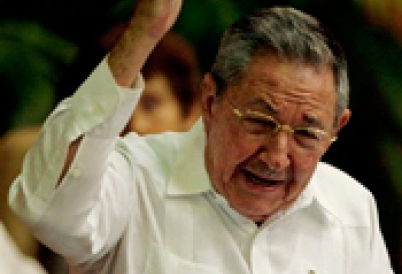
Raúl Castro surprised observers Monday when he said at a National Assembly meeting that Havana may reform Cuban migration laws. But the country’s Parliament did not address the country's many pressing economic issues.
"Venezuela's ideologically driven largesse is the only thing keeping Cuba's creaking economic system afloat," says AS/COA's Christopher Sabatini in a Q&A with Latin American Advisor, adding: "There is no other country that could step in."
AS/COA's Christopher Sabatini writes in The Huffington Post that a new provision in the U.S. House appropriations bill limiting Cuban-Americans' ability to visit family on the island runs counter to U.S. interests and to those of the Cuban people.
"The contrast between policy toward the United States’ former communist enemies...and its uncreative, timid, policy toward Cuba is as illogical as it is unfortunate," writes AS/COA's Senior Director of Policy Christopher Sabatini in an op-ed for The Miami Herald.
Review 82 “Cuba Inside and Out,” guest-edited by José Manuel Prietoand Anke Birkenmaier, compiles a creative section of texts by Cuban writers representing various generations, aesthetics, countries of residence, and positions vis-à-vis mainstream culture; and an academic section of articles by leading Cuban and U.S. scholars on a breadth of topics including a study of iconic Cuban writers and new media in Cuban literature today.
The Cuban Communist Party's Sixth Congress, held on April 16, was "a big deal in the sense that it did confirm a number of economic reforms, but politically it mounted to nothing," says AS/COA's Christopher Sabatini on Business News Network's Headline.
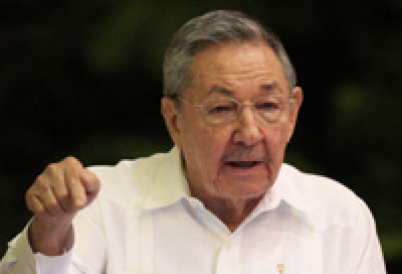
During the Sixth Communist Party Congress, Cuban head of state Raúl Castro continued to push limited liberalization of the island’s socialist economy and took the unexpected step of proposing term limits.