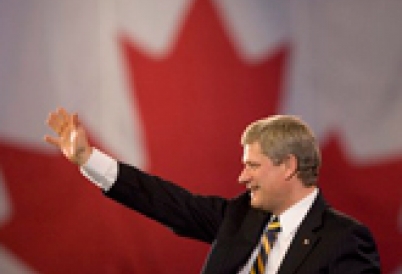
Canada's Liberal Party backed the Conservatives' budget plan, killing an opposition coalition and giving Prime Minister Stephen Harper's government a new lease on life. But clouds continue to darken Canada's economic horizon.
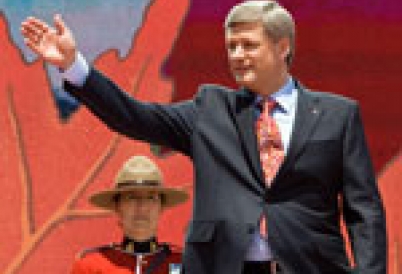
Canada
Tempers have cooled since the early December political turmoil in Ottawa. But it's hardly business as usual for Prime Minister Stephen Harper or for the opposition Labor Party.
At a time of economic uncertainty, Prime Minister Stephen Harper suspended Canadian Parliament to head off a move by an opposition coalition that could have ended his premiership. The fight to lead Canada comes just weeks after a national election and leaves the country's leadership after January in doubt.
Toronto Star columnist James Travers says the President-elect should reinvigorate ties with Ottawa, and that "Canada can make life easier for the next U.S. President by advancing an agenda serving mutual interests."
A recent event hosted by AS/COA and the Canadian Consul General examined how our changing societies are affecting public policy.
Amid concerns over global financial turbulence, Canadians cast their votes. Prime Minister Stephen Harper gained reelection and a stronger mandate, but economic worries made a dent in his party's gains as Conservatives once again won a minority government.
Ottawa plans for October elections with some polls indicating the Conservative Party could gain a political majority for the first time in 20 years. While energy, the environment, and economy serve as major issues in the race, questions arise over the election's timing.