Political Representation, Policy and Inclusion
Do more indigenous and Afro-descendant representatives in national congresses make a difference?


Do more indigenous and Afro-descendant representatives in national congresses make a difference?
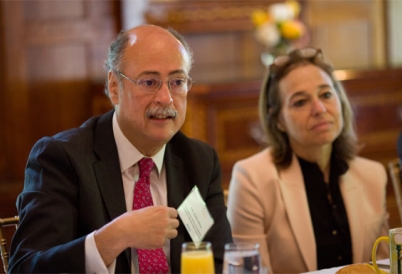
Less than three months ahead of Mexico’s presidential election, AS/COA hosts an April 20 press conference with Ambassador Rubén Beltrán, international affairs coordinator for Mexican presidential candidate Josefina Vázquez Mota, to discuss her foreign policy agenda.
The OAS needs to strengthen its election observation missions.
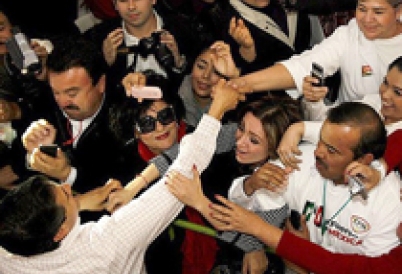
Campaigning officially started in Mexico on March 30. Though the PRI's Enrique Peña Nieto leads, polls vary widely as to how much.
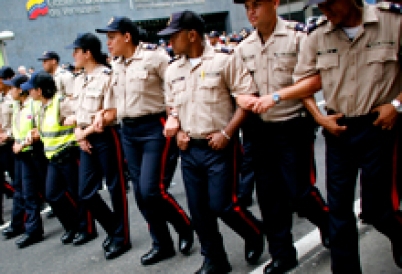
As the October presidential elections grow closer, President Hugo Chávez’s government and opposition leaders seek ways to combat crime, one of the most critical issues for voters.
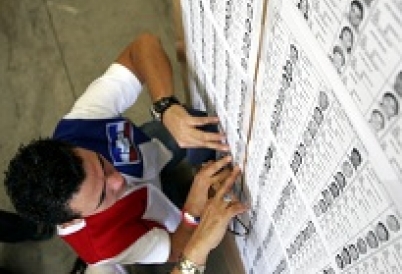
While the governing party hopes to capture more congressional seats and push through reforms, it faces a stronger opposition seeking to block its legislative agenda.
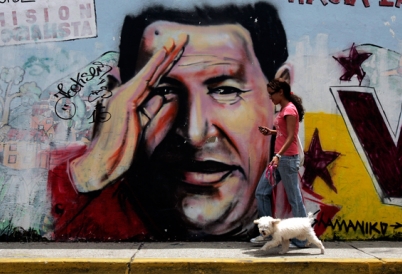
Venezuelan President Hugo Chávez’s announcement of a possible cancer recurrence raises questions about Venezuela’s political future, as well as what it could mean for countries dependent on Venezuelan aid.