In an article for The Huffington Post, AS/COA's Christopher Sabatini argues that U.S. foreign policy toward Latin America should "move on from focusing on internal politics or development objectives to understanding the nature of shifting international coalitions."
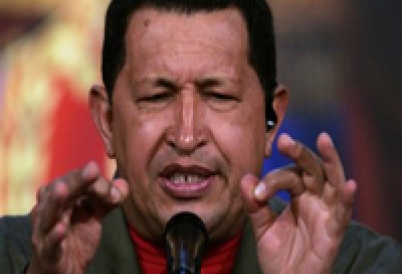
Conventional wisdom held that Venezuelan President Hugo Chávez would see decreased power after September 2010 midterm elections. In an article for ForeignAffairs.com, AS/COA’s Christopher Sabatini dispels this notion and forecasts that the Chávez government will step up expropriations ahead of the 2012 presidential vote.
"A strong trade agenda presents a unique opportunity to promote economic growth, global partnerships and bipartisan cooperation," argues Congressman David Dreier in an op-ed for Politico. "International trade plays an important part in improving a nation’s circumstances — far beyond the immediate scope of exports and imports."
A free-trade agreement with Colombia would "give confidence to investors the country badly needs," as well as help finance judicial investigations, support the building of efficient infrastructure, and support human rights efforts, writes Edward Schumacher-Matos for The Washington Post.
"The decreased vulnerability to international shocks through a diversified international market has been key to Peru's success," writes AS/COA's Jason Marczak for World Politics Review. "[T]he next challenge is making sure that growth also improves socioeconomic equality nationwide."
"2010 has been particularly active for hemispheric elections, and the results are instructive as we look for clues of what may come in 2011," writes COA's Eric Farnsworth in PODER Hispanic.
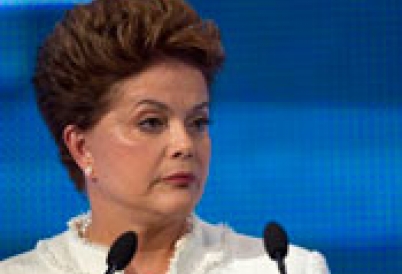
In a new interview with The Washington Post's Lally Weymouth, Brazilian President-elect Dilma Rousseff touches on topics ranging from her post-inauguration plans to visit the White House to Brazil's attitudes toward Iran to her plans for fiscal policy and poverty alleviation.