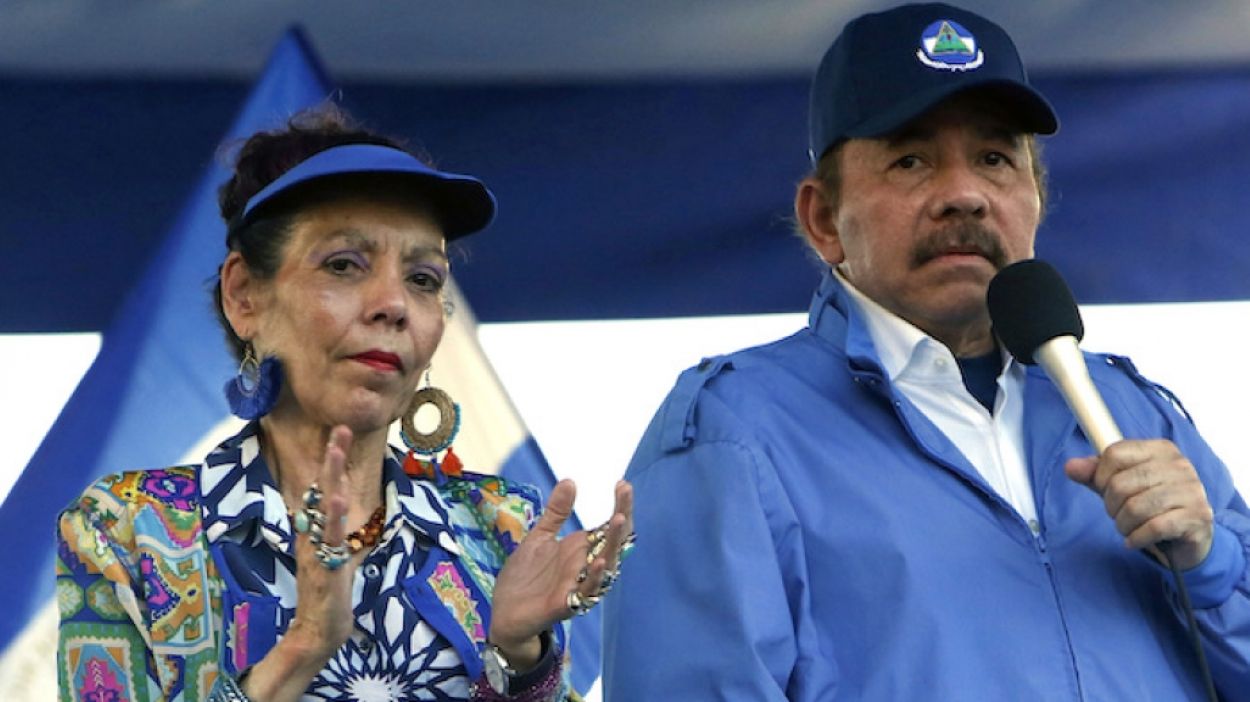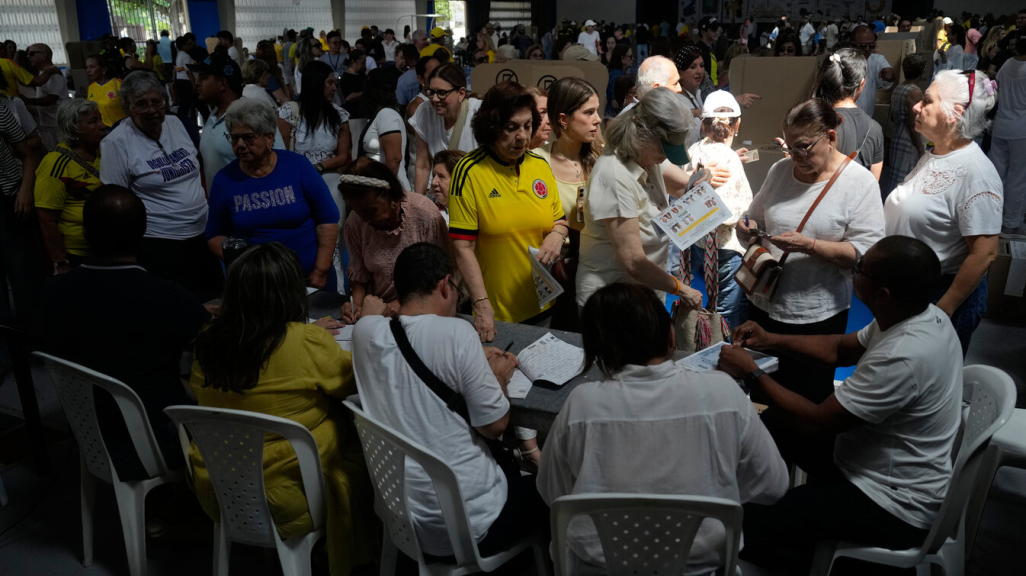
Colombian voters. (AP)

Colombian voters. (AP)

Ahead of Colombia's Runoff, Candidates Make Final Plays for the Presidency

By Chase Harrison

How did the right’s Abelardo de la Espriella and the left’s Iván Cepeda conclude campaigns before the June 21 election?
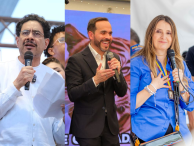
After months of campaigning, Colombia’s presidential race has concluded its final sprint. The two runoff contenders—Abelardo de la Espriella and Iván Cepeda—had just two weeks after the May 31 first round to make their final pitches to voters ahead of the June 21 runoff, given that the campaign period officially ended on June 14. 

Momentum favors de la Espriella, who outperformed first-round polling to capture the top spot. In mega-rallies across the country, the candidate, who calls himself “The Tiger” and got an endorsement from U.S. President Donald Trump, pitched Colombians on his tough-on-crime approach to security. Meanwhile, leftist Cepeda, who is the candidate from the same party as outgoing President Gustavo Petro, is trying to close the gap.

What messages have both candidates relayed during the short runoff campaign?

De la Espriella holds his ground

The Tiger has moved forward with a campaign centered around large-scale rallies, replete with massive TV screens and high-octane speeches delivered behind bulletproof glass. His rhetoric continues to feature patriotism, religion, and a demonization of the Colombian left. At his closing rally in the southern city of Buga, he declared, "This is not just a political battle, it's a moral battle, a spiritual war.”

After his first-round victory, de la Espriella received the backing of several prominent members of Colombia’s right, including third-place finisher Paloma Valencia and ex-President Álvaro Uribe. And yet, de la Espriella has set himself up as an outsider and trumpeted celebrity endorsements from singers, actors, and soccer players. He rejected the support of two political parties, including the Liberal Party, which has the third-most seats in Congress, due the perception that they are connected to the existing political class. De la Espriella also picked up the endorsement of a group of ex-governors led by Rodolfo Hernández, a one-time outsider candidate who lost to Petro in the 2022 runoff. 

One endorsement de la Espriella has celebrated? President Trump, who backed the candidate both before the first round and in the runoff. De la Espriella, who is also a U.S citizen, wrote an open letter accepting the endorsement and declaring, “In this coming Era of the Tiger—which begins on June 21—we look forward to the full normalization of relations between Colombia and the United States, built on mutual respect, sovereignty, and mutual benefit.”

Petro condemned the endorsement as foreign interference. Meanwhile, a judge in Medellín issued an injunction against Petro for participating in the presidential race, which he is constitutionally barred from doing. Despite that, Petro has a major farewell rally planned in in the southwest of Colombia just days before the election.

De la Espriella has not altered his programmatic pitch to voters in the runoff campaign. In line with his focus on security, his campaign has asked the attorney general to investigate intimidation from armed groups in about 100 municipalities in Colombia’s conflict-stricken southwest where Cepeda won over 70 percent of the first-round vote. 

Learn more about de la Espriella’s plan for Colombia

Cepeda tries to broaden his appeal

Like de la Espriella, Cepeda has maintained the thrust of his messaging and policy programs in the runoff campaign. He has made some changes, overhauling his image to be more folksy, distancing himself somewhat from Petro, and focusing on key geographic regions. Per reports, his runoff efforts have been hampered by a lack of financing as banks have denied his requests for loans, which has limited the campaign’s ability to advertise.

Cepeda has made overtures toward the political center in the runoff. On June 16 in Bogotá, he met with a group of centrist politicians, including national legislators and former mayors. There were two notable absences: fourth-place presidential candidate Sergio Fajardo and Valencia’s vice-presidential candidate Juan Daniel Oviedo. Neither of these moderates had made an endorsement as of publishing time. The day after the meeting, fifth-place finisher Claudia López announced she is backing Cepeda

In a revised platform, Cepeda has moderated his government proposals. He’s dropped his support of a constituent assembly, which Petro had pushed to advance constitutional reform. Cepeda has also shifted away from Petro’s “Total Peace” strategy, which sought negotiation and ceasefire deals with armed groups. Now, he proposes fulfilling Colombia’s 2016 Peace Deal and some dialogue with armed groups.

Cepeda has sought to go on the offensive against de la Espriella. He filed a criminal complaint against his opponent for belonging to a now-defunct right-wing paramilitary group and for embezzlement in the healthcare sector. He also accused de la Espriella of vote buying—a charge his opponent has also made about him

Cepeda concluded his campaign with rallies in the Bogotá and Barranquilla metro areas, two locations his team believes will decide the race. Bogotá is a moderate and leftist stronghold where Cepeda hopes to mobilize his base, while Barranquilla is part of the country’s Caribbean coast that traditionally leans left but saw a strong performance from de la Espriella in the first round. 

Learn more about Cepeda’s plan for Colombia.

Related

Explore