Colombia's 2026 Presidential Candidates: Cepeda, De la Espriella, and Valencia
Colombia's 2026 Presidential Candidates: Cepeda, De la Espriella, and Valencia
Learn about the leading contenders’ campaigns and promises ahead of the May 31 first round.
Four years ago, Colombia elected its first leftist president, Gustavo Petro, in a watershed moment for the country. Now, the question posed to voters ahead of the May 31 first-round vote is: continuity or change?
Senator Iván Cepeda, who leads polls, would represent a vote of confidence for Petro’s governance, with a pledge to continue the outgoing president’s agenda.
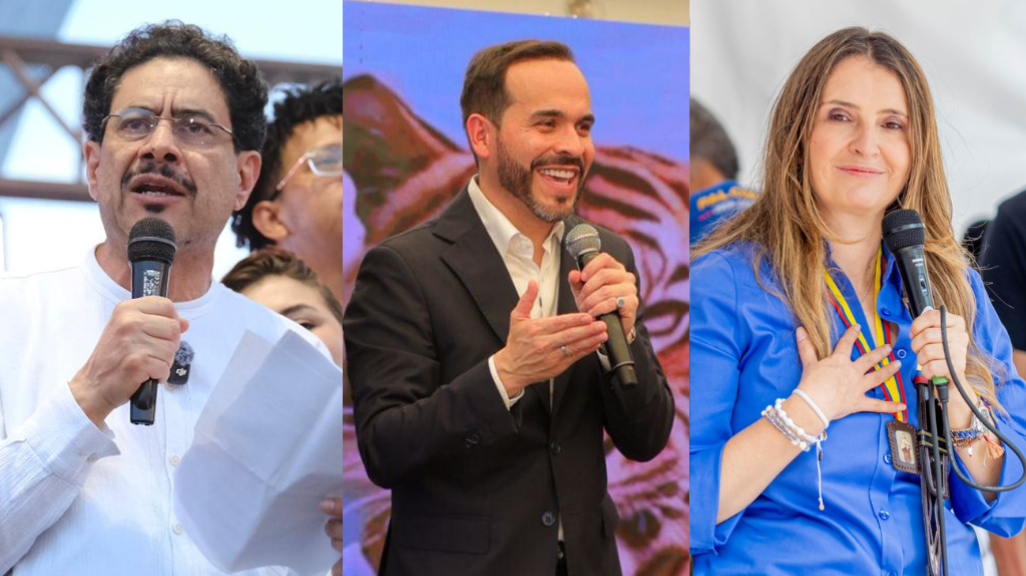
Trailing Cepeda are two candidates who, though both on the right, are proposing different visions of leadership. There’s Abelardo de la Espriella, a far-right lawyer, who models himself after leaders like Salvadoran President Nayib Bukele and Argentine President Javier Milei. Then there’s center-right Senator Paloma Valencia, scion of a famed Colombian political family and an acolyte of ex-President Álvaro Uribe (2002–2010).
There are nine other presidential candidates, including two centrist former mayors, Claudia López of Bogotá and Sergio Fajardo of Medellín. But these candidates all poll below 5 percent of voter intention and well behind the top three contenders.
If no candidate receives over 50 percent of the vote in the first round, a runoff will be held June 21. The new president will take office August 7.
AS/COA highlights the backgrounds, campaigns, and visions of Cepeda, de la Espriella, and Valencia.
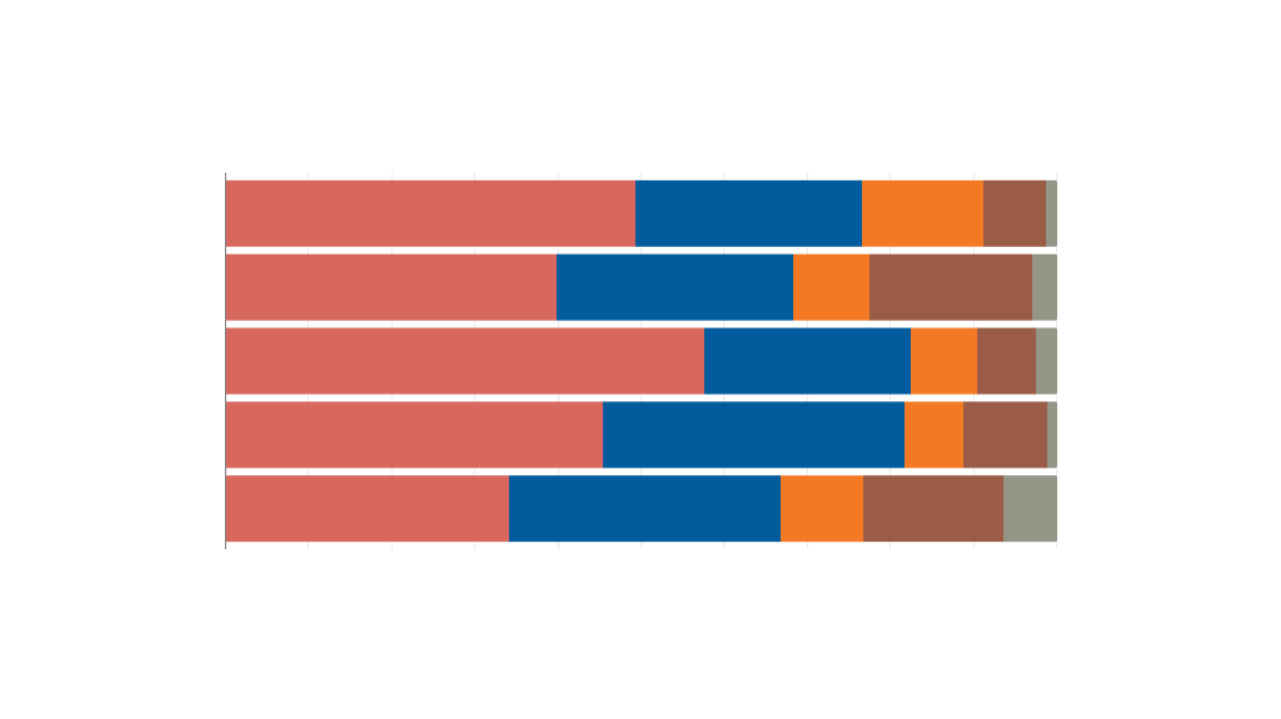
The right’s Abelardo de la Espriella won the top spot in the first round to face leftist and ruling party candidate Iván Cepeda in the June 21 runoff.
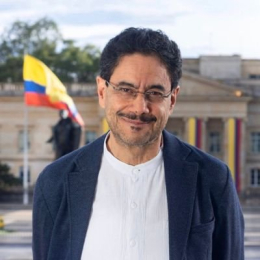
Background: Cepeda, 63, lived his early life ensconced in the Colombian left. His parents were both members of the Colombian Communist party, which drove the family into exile for much of his youth. In 1994, state forces assassinated Cepeda’s father, then a senator. Cepeda was involved in movements backing justice for victims of state crimes before his 2009 election to the Chamber of Representatives and 2014 election to the Senate. There, he became a prominent voice for left-wing ideals and a deescalation of the conflict between the government and paramilitaries, building a reputation as a vocal Uribe opponent. A legal dispute between Uribe and Cepeda resulted in the ex-president's 2025 sentence to house arrest.
In the Senate, Cepeda has been one of Petro’s strongest allies and he participated in several negotiations with paramilitary groups as part of the president’s Total Peace strategy.
The campaign: In 2025, Cepeda won the primary for the governing Historic Pact party with 65 percent of the vote. Cepeda intended to partake in the March 8 interparty consultation for the leftist coalition. However, the National Electoral Council blocked Cepeda’s inclusion, ruling he had already participated in one primary, the maximum allowed for a candidate. In response, the Historic Pact left the coalition, and Petro urged voters to skip the consultation. Still, in the simultaneous legislative election, the Historic Pact won the most votes in both the Senate and the House of Representatives.
Shortly after the consultation, Cepeda announced his running mate, Senator Aida Quilcué, an indigenous leader from Cauca, a conflict-affected area.
Cepeda’s campaign has focused on mounting rallies across the country and has eschewed billboards and advertising. Cepeda has also avoided traditional media, only doing two interviews and participating in no debates. In April, he challenged Valencia and de la Espriella to a debate, though no date has been set.
“We must state clearly: the change has not ended; it has barely begun.”—Cepeda
Learn about the background of the race and the victory of right-wing lawyer Abelardo de la Espriella.
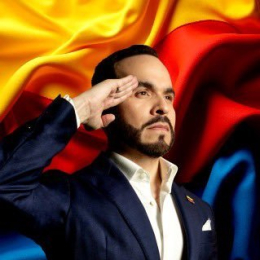
Background: A self-described “outsider,” de la Espriella, 47, entered Colombian politics two years ago when he launched his bid for the presidency. But the lawyer has long had a high profile in Colombia, thanks to his legal defense of prominent clients, including Uribe and businessman Alex Saab; release of Italian music albums; and launch of a fashion line. Before the race, de la Espriella lived in Miami.
The campaign: Abelardo launched his Defenders of the Homeland movement in October 2024, which he branded as “a new modern, open, and thoughtful right wing, more concerned with the future than the past, one that dreams of a country free from the farce of populist governments.” He is running for president under the National Salvation Movement party, a small right-wing party. He did not partake in the March interparty consultations, opting to compete directly in the first round.
“Only those of us who stand firm for our country will be able to perform the miracle of saving it.”—de la Espriella

Background: The granddaughter of an ex-president and daughter of a senator, Paloma Valencia, 48, is a lawyer, professor, and journalist. She first ran for House of Representatives in 2006, a race she lost. In 2014, she won a Senate seat with the Democratic Center, Uribe’s party, and has held her seat since. She has been an outspoken critic of Presidents Juan Manuel Santos (2010–2018) and Petro, opposing both the 2016 Peace Deal and the Total Peace plan.
Campaign: Valencia was selected as the candidate of the Democratic Center party following two commissioned polls. In the March interparty consultations, she won not only the center-right contest but the most votes of any candidate that day, earning almost 50 percent of all ballots. Her running mate was the runner-up in the center-right consultation, economist Juan Daniel Oviedo, who outperformed expectations to win 1.2 million votes.
Since then, Valencia has seen her poll numbers rise. She has executed a more traditional campaign than either Cepeda or de la Espriella, participating in several debates.
Her vision: “Colombia can no longer remain a country where fear holds sway over the State,” reads Valencia’s campaign platform. Her security strategy involves hiring 60,000 military and police offices while raising the security budget. She’s proposed a Plan Colombia 2.0, a reference to the U.S.-Colombia anti-narcotic initiative that ran from 2000 until the implementation of the 2016 Peace Deal, though Valencia says she does not support U.S. military action in her country. She has also spoken of leveraging technology like AI in criminal justice and building “productive prisons.”
“Colombia can no longer remain a country where fear holds sway over the State.”—Valencia

AS/COA Online covers major votes across the region for presidents, legislatures, municipal votes, and more.