How Do New Section 301 Tariffs Impact Latin America?
How Do New Section 301 Tariffs Impact Latin America?
New levies stemming from U.S. investigations into forced labor worldwide hit 19 countries in the Americas.
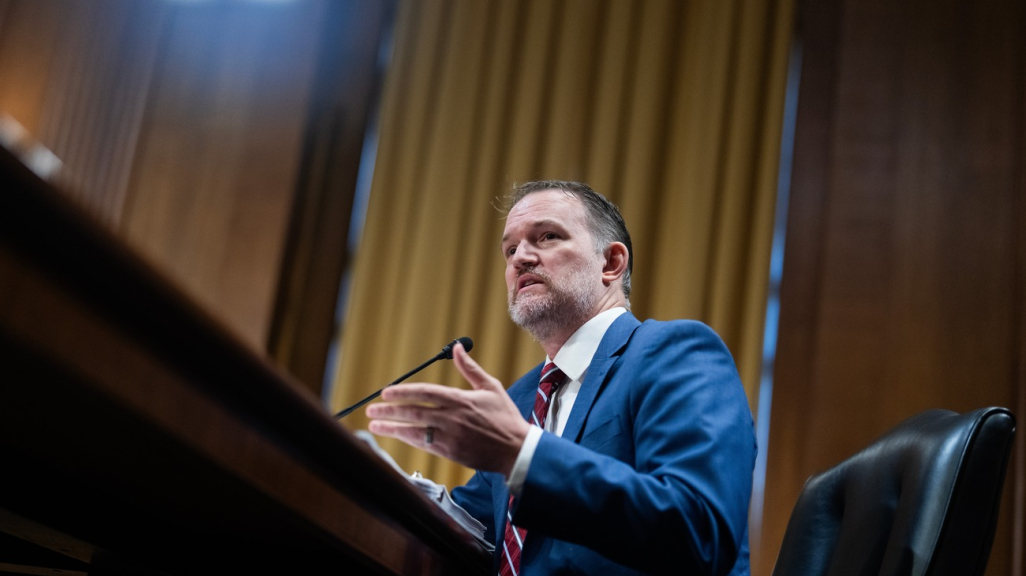
In a widely expected decision, U.S. Trade Representative Jamieson Greer on July 23 announced another round of sweeping tariffs, this time on 60 economies that together account for over 99 percent of U.S. imports. The Office of the U.S. Trade Representative (USTR) said the decision was based on findings that these countries do not enforce bans on the use of forced labor to produce goods exported to the United States, thereby violating Section 301 of the 1974 Trade Act, which addresses unfair trade practices. The tariffs serve to advance the “America First Trade Policy” pronounced by President Donald Trump on the first day of his second term to reduce trade deficits and promote domestic production.
The new Section 301 tariffs replace global tariffs based on Section 122 of the same trade act—dealing with balance-of-payments deficits—that had been in place since February and had a 150-day time limit that expired just after midnight on July 24. Section 122 tariffs stood at 10 percent, while the Section 301 duties stand at either 10 or 12.5 percent. The lower rate applies to countries Washington determined have made efforts or committed to reducing the use of forced labor while the higher rate applies to all others.
Trade experts expect these levies could be more durable than both the Section 122 tariffs and the Liberation Day tariffs that invoked the International Emergency Economic Powers Act, or IEEPA, in April 2025 only to be struck down by the Supreme Court in February 2026. Speaking on AS/COA Online’s Latin America in Focus podcast after that Supreme Court decision, CSIS’ Diego Marroquín Bitar highlighted the fact that the U.S. government is required to conduct investigations in order to enact Section 301 tariffs, providing “stronger guardrails” against possible legal challenges. Still, the Peterson Institute’s Alan Wm. Wolff argues that, much like in the IEEPA case, lawsuits against the 301 tariffs will be forthcoming, writing that: “Setting broad tariffs is the sole prerogative of the Congress, not the president.”
Section 301 actions automatically expire after four years unless a U.S. business sector representative requests a renewal, in which case the USTR will review it.
Learn about the issues up for discussion in binational rounds of talks on the North American trade deal.

The family is in danger of losing the October election, and possibly more than that, writes AQ’s editor-in-chief.