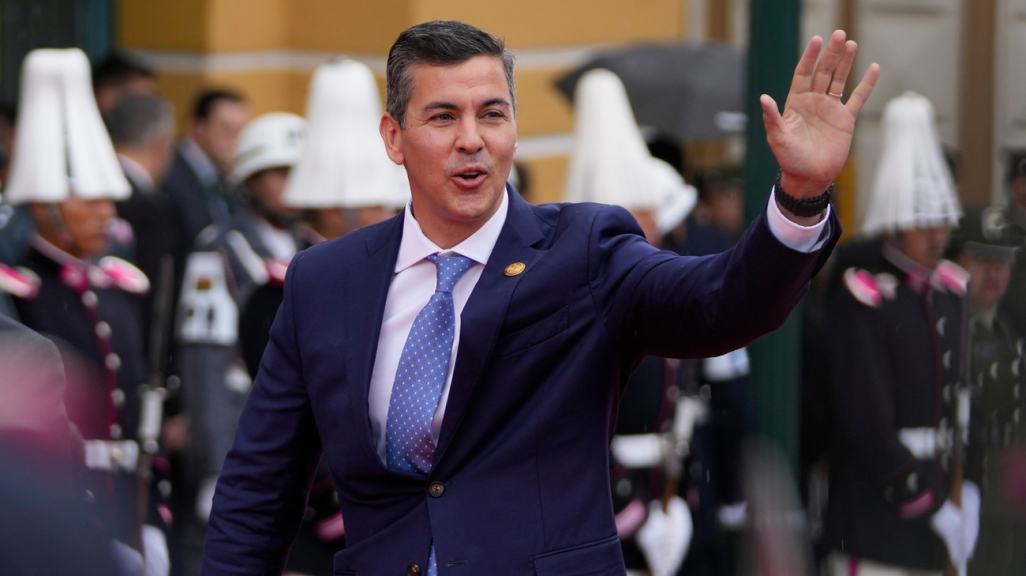
Paraguayan President Santiago Peña waves

Paraguayan President Santiago Peña. (AP)

Paraguay’s President Impeached: Why, and What Comes Next?

By Chase Harrison

Ties to a collapsed digital bank forced Santiago Peña, a Trump ally, out of office Pedro Alliana has assumed the presidency.

This article was initially published on November 5, 2026. It was last updated on November 9, 2026. 

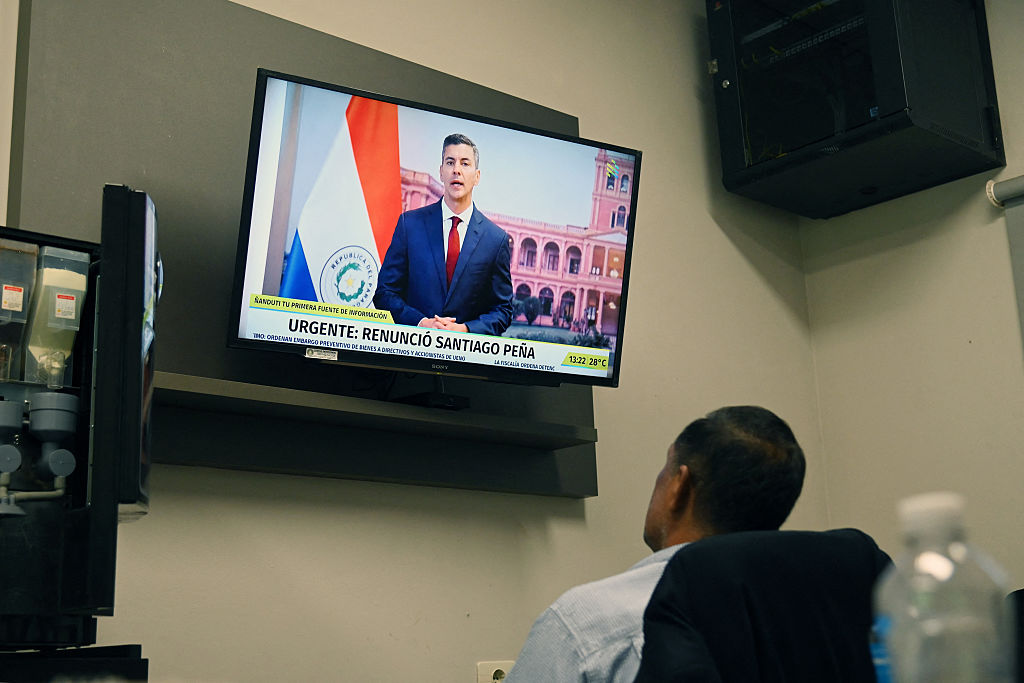
A bank’s collapse led to the downfall of a president. Paraguayan President Santiago Peña, who assumed office in 2023, submitted his resignation to Congress on November 5 due to his ties to the insolvent Ueno Bank. Peña said in a statement: “I want to apologize to the people if I have failed them at any point. It was never my intention to betray the trust that they placed in me.”

Congress rejected Peña’s resignation, instead impeaching him by unanimous votes in both houses and thereby stripping him of criminal immunity. His removal marks the downfall of a conservative leader who promoted an image of his country as a stable and secure investment destination while also advancing bilateral ties with the United States.  As an ally of Donald Trump, Peña was a founding member of the U.S. president’s Board of Peace and led his country to join the Shield of the Americas.

As of August, he had a 47 percent approval rating, per CB Global Data. 
What happened with Ueno?

Ueno Bank, a digital lender, grew in just five years to become a major financial player in Paraguay with 3 million customers, meaning more than 60 percent of the country’s residents. It managed roughly $800 million in public money, just under half of which comes from Paraguay’s state pension and health funds. 

In June, regulators flagged Ueno for risky lending, particularly to companies tied to the bank’s owners. By November, Ueno’s solvency ratio, or its capital versus its risk-weighted assets, slipped below the legal threshold after regulators investigated and corrected its balance sheets. On November 2, Paraguay’s Central Bank voted to put the bank into resolution and pass its management to national regulators. The following day, customers found themselves locked out of their accounts, which accelerated panic and amplified protests in the capital, Asunción. 

How was Peña involved?

Peña is a shareholder in a company that, until last year, owned Ueno. Moreover, as president, he had appointed an Ueno executive to head Paraguay’s central bank. In congressional sessions, lawmakers accused Peña of conflict of interest, misuse of pension funds, and covering up the collapse. Peña initially denied involvement but submitted his resignation November 5.

Congress rejected that resignation after members from Peña’s own Colorado Party left the session, eliminating a quorum, though ex-President Horacio Cartes released a statement on behalf of the party encouraging impeachment.  Had Congress accepted his resignation, Peña could have enjoyed privileges granted to ex-presidents, such a becoming a senator for life and a degree of legal immunity.

Instead, the lower house and the upper house voted unanimously for his impeachment. After failing to show up for his November 6 Senate hearing, Peña was placed under house arrest. The next day, a judge ordered him to a military facility for pre-trial detention.

The lower house did not, however, pass a motion to also impeach his vice president, Pedro Alliana.

The attorney general opened three criminal cases against Peña, though opposition lawmakers have filed an expanded criminal complaint. 

What happens next?

Alliana, the former president of the Chamber of Deputies and governor of Ñeembucú, was sworn into office as Paraguay's new president on November 7. He will serve through the end of the term on August 15, 2028.

Alliana will have to manage the financial fallout from the Ueno collapse and Peña’s resignation. Ueno’s widespread use—and importance to the informal economy—continues to rattle economic activity in the country, even as Congress has approved a process to pay Ueno depositors. 

Paraguay is suffering a hit on the international markets, included depreciated sovereign bonds and a weakening of the national currency. The success of Ueno was a component of Peña’s pitch of Paraguay as an investment destination. In 2024, the country received an investment grade status from Moody’s for the first time. It remains to be seen the extent to which the scandal delivers long-term damage to the country’s investment image.

Related

Explore