Kevin Sullivan on the Latin America Today Podcast about Nicaragua's Human Right Crisis
Kevin Sullivan on the Latin America Today Podcast about Nicaragua's Human Right Crisis
A renewed effort by the U.S. to engage others in the region and the OAS "is useful" to confront Nicaraguan leaders, said AS/COA's vice president.
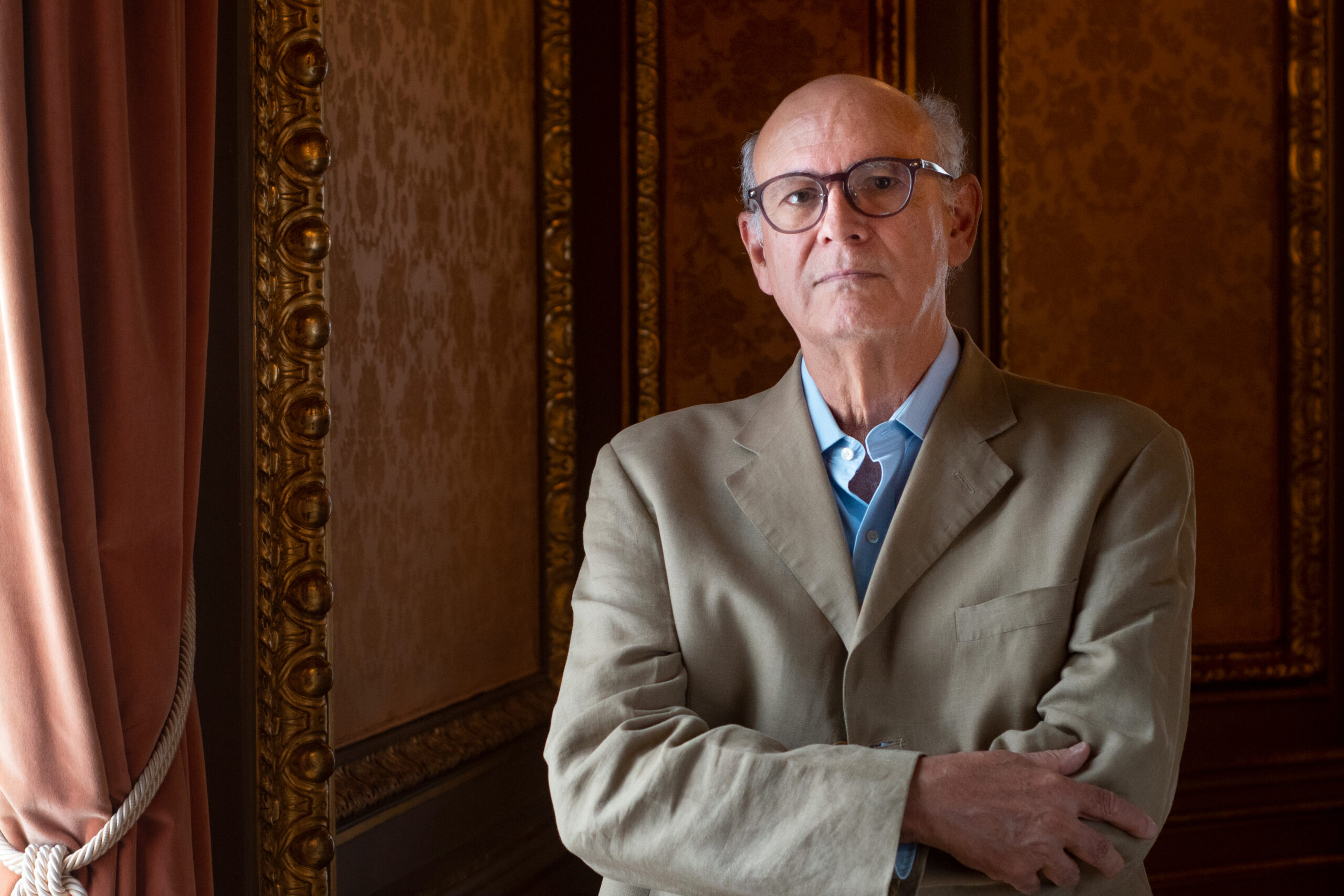
In an interview with Maureen Meyer of the Latin America Today podcast, Kevin Sullivan, AS/COA vice president and former U.S. ambassador to Nicaragua, discussed the deterioration of Nicaragua's political system and institutions and the challenges remaining for political prisoners and international diplomatic responses.
Meyer asked Sullivan, who served as ambassador to the country from 2018 until 2023, about key moments that, in his view, marked the deterioration of the human rights situation in Nicaragua. The vice president of Programs at WOLA, also asked Sullivan about his role in helping broker the release and transfer of 222 political prisoners to the United States.
"When I look back on the the freedom flight in 2023 that flew 222 political prisoners from Nicaragua directly from jail or house arrest to safety in the U.S. I think it really was one of our proudest moments in the U.S. government," said Sullivan. "These were people that were clearly suffering in many cases because of direct and substantial involvement in political activity, seeking democratic change and more political freedom in Nicaragua. And I think the hundreds of other people that throughout the U.S. government that worked on that effort are still quite proud of what we were able to do for those deserving individuals, to give them back their freedom and personal safety. You know, we were of course immediately very disappointed to see that the Nicaraguan authorities stripped them of their Nicaraguan citizenship, which very much complicated their situation in the U.S., as well as other places where they eventually chose to go."
Meyer also asked Sullivan about the OAS recently adopting a resolution that calls on Nicaraguan authorities to free political prisoners and restore civil liberties. It also establishes a voluntary ministerial follow-up group, which will work toward a path to have coordinated action among member states regarding the situation in the Central American country.
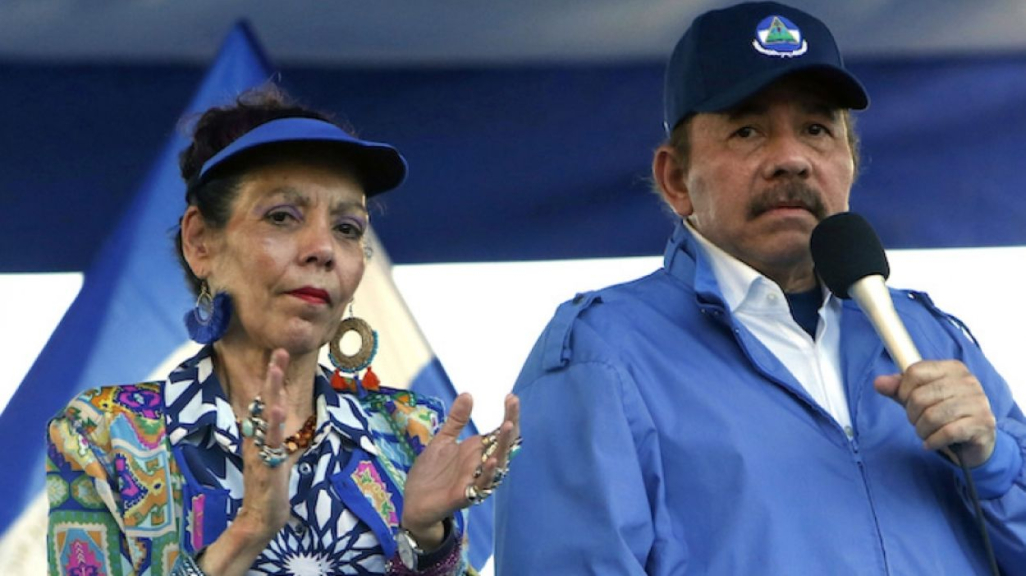
"The first couple there [Daniel Ortega and Rosario Murillo] tends to not take very seriously negotiating partners apart from the U.S. government. The U.S. government, they have a difficult time ignoring completely, although they don't certainly always agree to the things that we have asked them to do," said Sullivan. "So my my sense is that this renewed effort to engage the other countries in the region and the OAS itself is useful. It will be important that the U.S. remains a key player in that effort, to try and give it seriousness and teeth, as they approach what is really an intractable problem with the Nicaraguan authorities."