Artforum Reviews Lilia Carrillo's Exhibition at Americas Society
Artforum Reviews Lilia Carrillo's Exhibition at Americas Society
The late Mexican artist's work "rejected state-sponsored Muralism for personal expression," said the art publication.
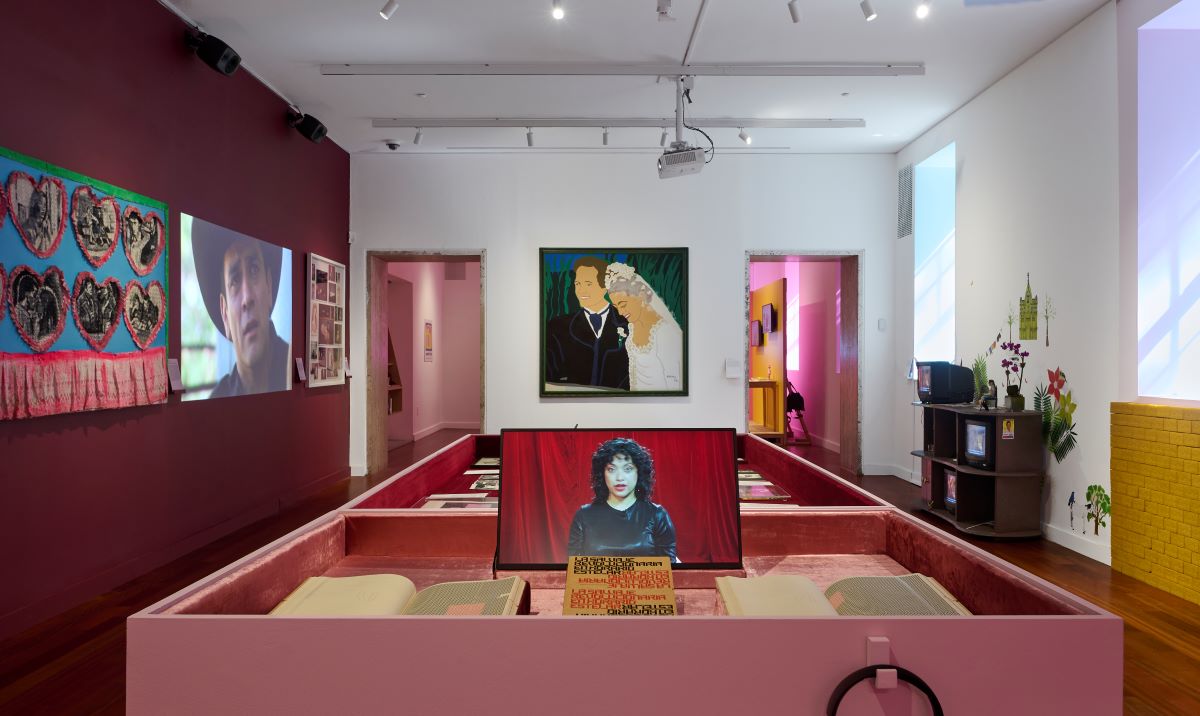
Through August 1, 2026—Well known in Mexico as a key figure and the only female member of la Generación de la Ruptura (the Rupture Generation), abstract painter Lilia Carrillo (1930–1974) will be a welcome discovery for many in the United States. Organized by curator Tobias Ostrander, of Tate Gallery, London, and accompanied by a monograph on the artist copublished with Museo del Palacio de Bellas Artes in Mexico City, “Lilia Carrillo: Ruptures and Premonitions” presents twenty-four of the artist’s important paintings executed between 1961 and her death, alongside documentary photographs, reviews, and other archival material. Located in a central vitrine, such ephemera provides a useful tether to the mystically transcendent artworks that rejected state-sponsored Muralism for personal expression.
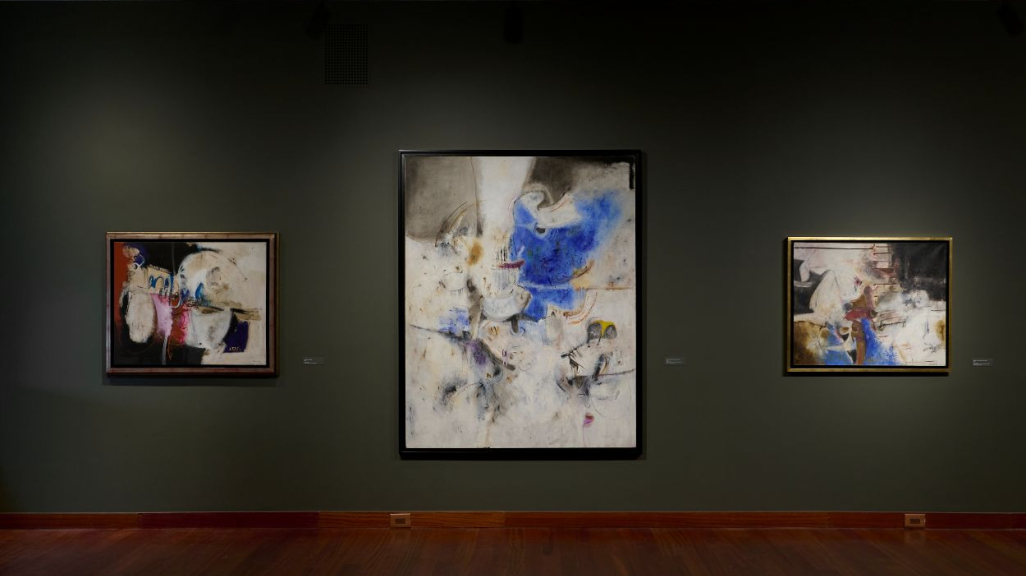
The dramatically lit galleries emphasize the allure of Carrillo’s pulsating surfaces. True to the movement’s name, the paintings often appear ruptured owing to the layers of torn paper and cut fabric upon which the artist applied paint in gestural brushstrokes. Indeed, the work from the 1960s reveals influences from her travels to Spain and New York, where encounters with Antoni Tàpies and North American Abstract Expressionists such as Helen Frankenthaler, Arshile Gorky, and Willem de Kooning made a lasting impression. Carillo’s work shares with AbEx an uncanny effervescent quality that appears to animate its abstract forms, but Carillo’s earthy color palette and contemplative mood ultimately distinguish her work. Where AbEx prized gestural immediacy, Carillo conjured miasmas of color whose atmospheric heft suggests meditation rather than action.This tendency is further amplified by psychologically evocative titles such as Esencia (Essence), 1961; Zona de silencio (Zone of Silence), 1963; La voz del sueño (The Voice of Dreams), 1965; and Introspección (Introspection), 1966.
Premonitions, the second concept introduced in the exhibition’s title, hints at Carrillo’s fascination with plumbing hidden psychic urges, archaic forces, and oracular portents of the future. For example, Emblema cabalistico (Kabbalistic Emblem), 1965, features swirling forms that coalesce and dissolve, subtly referencing the hidden dimensions of the universe as conceived in Jewish mysticism...