Foreign Affairs: Latin America's Revolution of the Right
Foreign Affairs: Latin America's Revolution of the Right
Most of the reasons for the right's ascendancy stem "from changing realities within Latin America," writes AS/COA's Brian Winter in the magazine.
From virtually the moment he and his band of bearded rebels rode into Havana in 1959 until his death from natural causes in 2016, the most iconic leader in Latin America was Fidel Castro. With his trademark military fatigues, slender Cohiba cigars, and marathon speeches vilifying Uncle Sam, Castro captured the imaginations of aspiring revolutionaries and millions of others around the world. Never content to merely govern Cuba, Castro worked tirelessly to export his ideas throughout Latin America, Africa, and beyond. His global network of allies and admirers grew over the decades to include leaders as diverse as Salvador Allende in Chile, Hugo Chávez in Venezuela, Robert Mugabe in Zimbabwe, and Yasser Arafat, the head of the Palestine Liberation Organization.
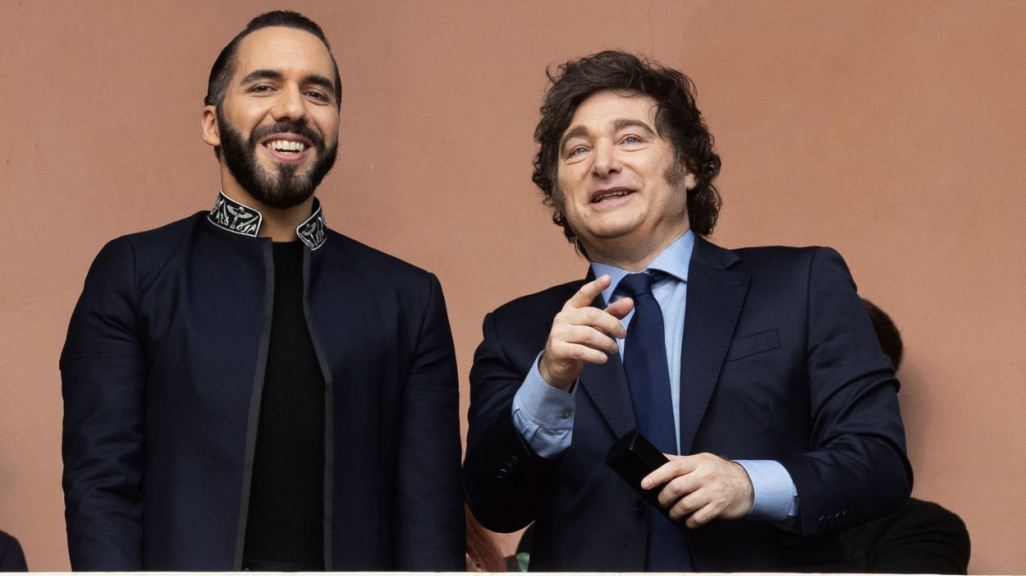
El comandante would roll over in his grave if he learned that, today, the two Latin American figures who come closest to matching his global profile both hail from the ideological right. Javier Milei, the self-described “anarcho-capitalist” president of Argentina who has wielded a chainsaw to symbolize his zeal for slashing the size of government, and Nayib Bukele, the bearded millennial leader of El Salvador, have built fervent followings at home and abroad. Instead of the ubiquitous Cuban revolutionary cry, ¡Hasta la victoria, siempre! (“Ever onward to victory!”), Milei’s libertarian catchphrase, ¡Viva la libertad, carajo! (“Long live freedom, damn it!”), is now showing up on T-shirts on some college campuses in the United States and being quoted by politicians as far away as Israel.