AQ Cover Mexico Issue Oct 2026

Share

Americas Quarterly's New Issue: Mexico's Way Forward

The magazine looks at how Mexico can cope with an unpredictable Washington by reducing its domestic vulnerabilities.

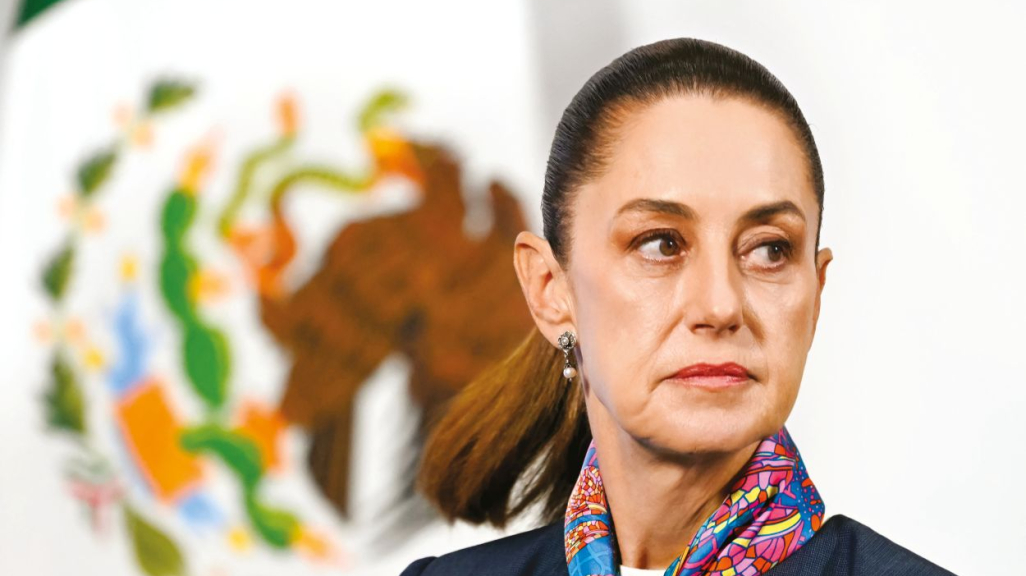
New York, October 13, 2026—“Avoiding self-inflicted damage is the most important shield against uncertainty and volatility,” writes Vanessa Rubio-Márquez, a former Mexican senator and deputy minister, in the cover story of Americas Quarterly’s new issue.

In the article, the author explains that Mexico lives with tremendous uncertainty in its relationship with the United States, with threats of tariffs, sanctions, military intervention, and the Trump administration’s decision not to automatically renew the United States-Mexico-Canada Agreement (USMCA). While some in Mexico have called for a more confrontational approach or greater diversification away from the United States, the countries’ deep economic and human ties make either strategy difficult in the short term, Rubio-Márquez writes.

In her story, “What Mexico Can (and Cannot) Control,” the expert says that Mexico cannot manage geopolitical shocks or Washington’s unpredictability, but it can strengthen its economy and reduce its domestic vulnerabilities. The former deputy minister in the finance, foreign affairs and social development ministries, and current professor at the London School of Economics, calls for greater regulatory certainty, fiscal discipline, a structural overhaul of Pemex’s business model, property tax reform and improvements to Mexico’s investment climate. “One can only govern what lies within your control, and that is where most of the energy should be aimed,” she writes.

Can Latin America Become a Data Center Powerhouse?
Image
Andres Oppenheimer

Andrés Oppenheimer, author, international columnist and host of CNN en Español’s "Oppenheimer Presenta," examines whether Latin America can capitalize on the rapid global expansion of artificial intelligence infrastructure. Brazil, Mexico, Chile, and other countries are already attracting significant investment in data centers, but Oppenheimer warns that these projects alone will not transform their economies.

The Immense Value of North America

Image
Susan Segal

Susan Segal, president and CEO of Americas Society/Council of the Americas, looks back at more than four decades of North American economic integration and argues that its benefits should not be taken for granted. Segal describes NAFTA, and its successor USMCA, as a major successs that integrated supply chains, encouraged investment and created jobs across the United States, Mexico, and Canada.
How Latin America Is Climbing the High-Tech Value Chain

High-Tech Value Chain

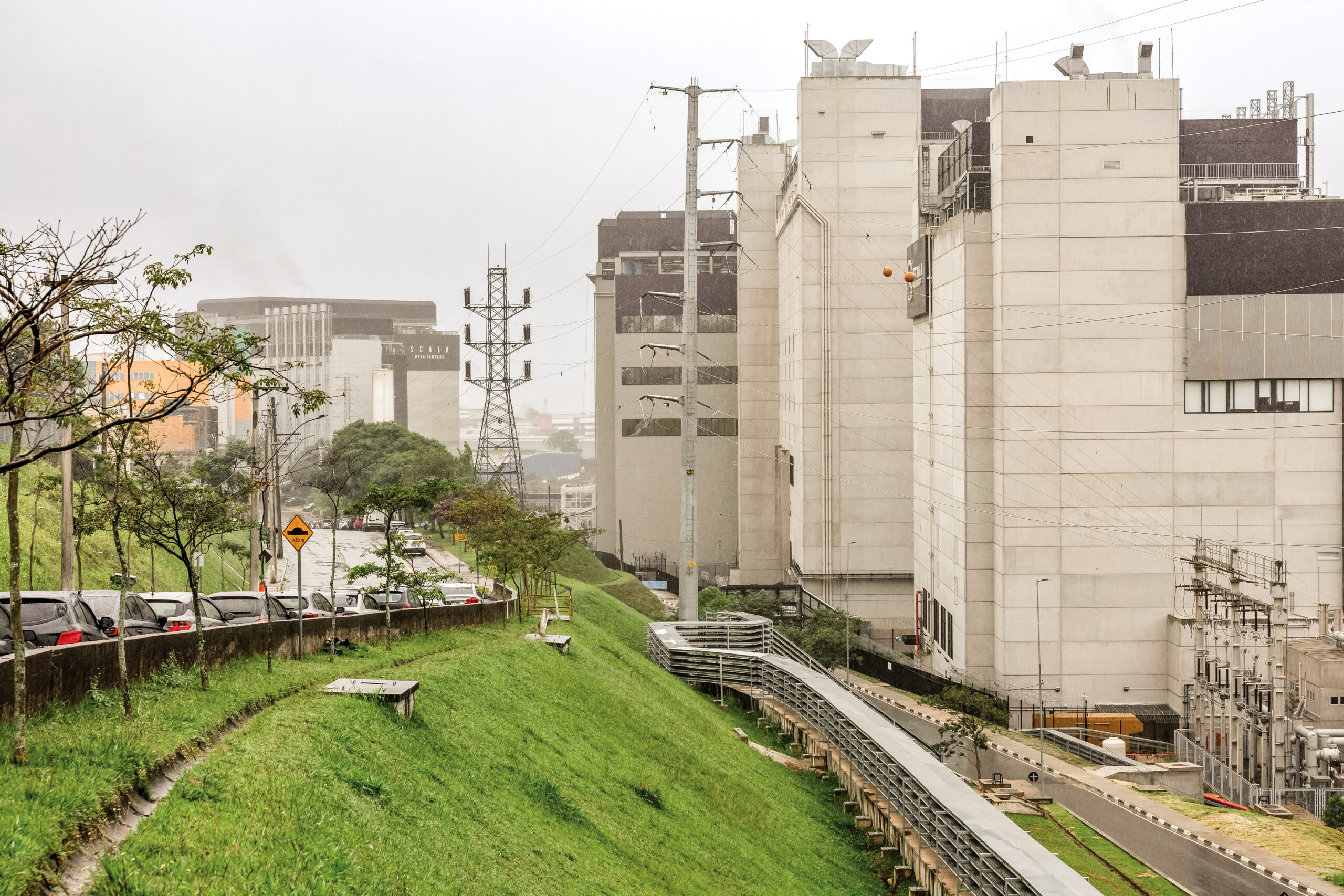
Nur Cristiani, head of Latin America investment strategy at J.P. Morgan’s Private Bank, and AQ editor and production manager Rich Brown examine Latin America’s progress in semiconductors, advanced technology exports, and data centers. Drawing on examples from Mexico, Costa Rica and other countries, they argue that continued growth will require investments in research, workforce training, energy infrastructure, and public-private cooperation.

Also in this issue: 

  • AQ managing editor José Enrique Arrioja writes The AQ Profile on exiled Nicaraguan journalist Carlos Fernando Chamorro, founder of Confidencial, and examines his views on political change, international pressure, and the role of independent journalism under the Ortega-Murillo dictatorship.
  • Marcos Troyjo, who is the Robert E. Wilhelm fellow at MIT’s Center for International Studies, examines how China’s growing influence over global supply chains could create new opportunities for Latin America. He argues that countries in the region can benefit by strengthening their competitiveness, attracting investment and positioning themselves as reliable partners in a changing global economy.
  • Researcher Luis Daniel González examines why Colombia’s ELN guerrillas, have repeatedly resisted peace efforts. He argues that the guerrilla group’s decentralized structure, illicit sources of revenue, and history of surviving military pressure make either its disarmament or defeat unlikely in the near future.

The full issue is available at americasquarterly.org

View the PDF.

To request interviews with the authors, or to request publication permission, please contact AS/COA Media Relations at mediarelations@as-coa.org