
680 Park Avenue
New York City


4 to 5 pm
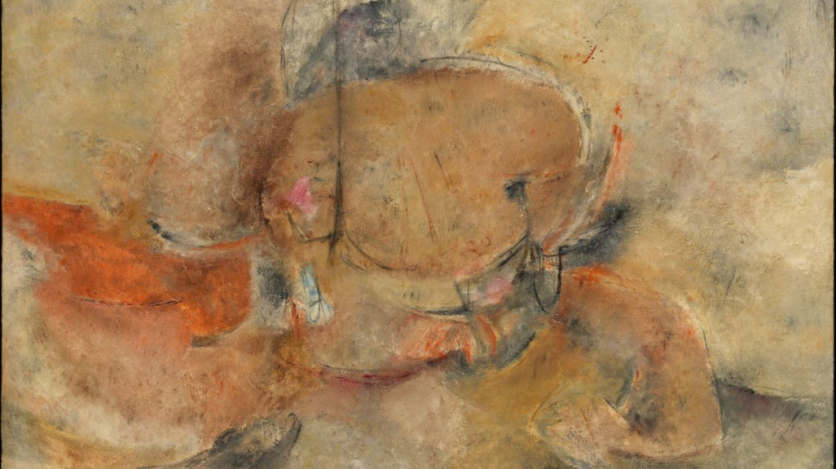
Lilia Carrillo, La voz del sueño (The Voice of Sleep), 1965.

AS, YPA, and COA members are invited to enjoy a private tour of the exhibition of the Mexican artist's work with AS's chief curator.
4 to 5 pm
AS, YPA, and COA members are welcome to join us for a guided tour of Lilia Carrillo: Ruptures and Premonitions with Art at Americas Society Director Aimé Iglesias Lukin. The exhibition is on view through August 1. RSVP to membership@as-coa.org.
Not a member? Join today! Email membership@as-coa.org with any questions.
Lilia Carrillo (1930–1974) was a central figure within the group of postwar Mexican painters known as la Generación de la Ruptura (the Rupture Generation), and its most prominent female contributor. Carrillo was part of a close circle of artists including her second husband Manuel Felguérez, Fernando García Ponce, Vlady, Vicente Rojo, and Juan Soriano—who all shared an interest in abstraction and entered into an international dialogue with painterly tendencies occurring in New York and Paris including Abstract Expressionism, Lyrical Abstraction, and Informalism.
Lilia Carrillo: Ruptures and Premonitions presents a selection of the artist’s paintings from 1961, the year her aesthetic language was consolidated, to 1974, the year of her premature death. The ruptures shaping the presentation include both Carrillo’s association with la Generación de la Ruptura, and her formal interests that challenge the stability of the picture plane and emphasize the physicality of the painted surface. The exhibition will survey the artist’s disruptive gestures of building up thick surfaces that she then carved or scratched into, integrating collaged fabrics or paper fragments into her canvases, smudging her compositions, and using brushes of diverse sizes and other tools to apply and disperse her pigments.
The exhibition is part of an annual series by Art at Americas Society that presents the first institutional solo shows in New York for women artists who have not received the proper recognition that they deserve, says Iglesias Lukin. Last year’s exhibition in the series landed on The New York Times' Best Art of 2025 list.