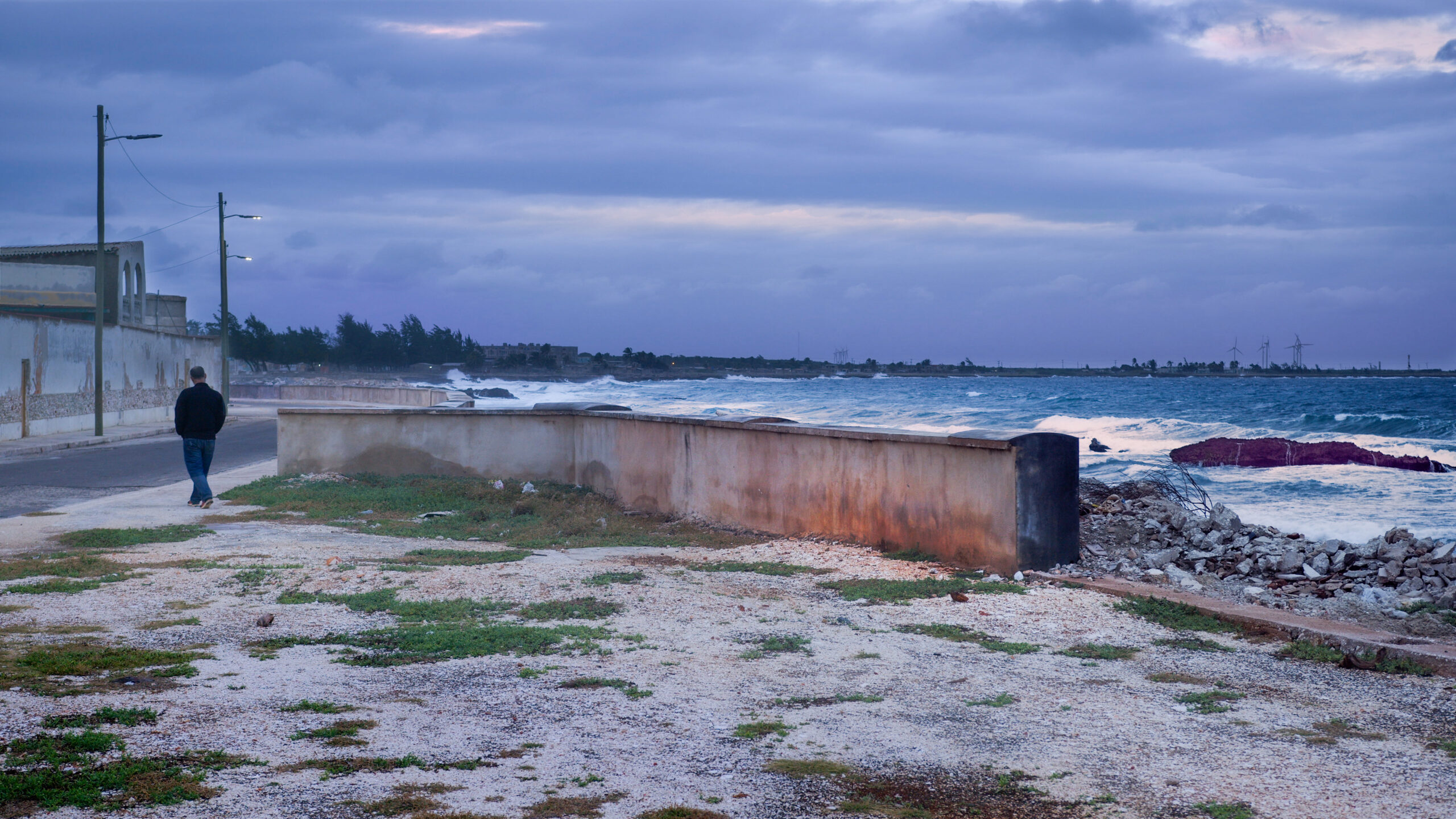
Seven Charts on Cuba's Economic Woes

By Khalea Robertson

The Caribbean island is undergoing its worst economic period in decades while facing rising U.S. pressure.

“There will be no more money or oil going to Cuba—zero!” warned U.S. President Donald Trump. The president sent the message on social media days after U.S. forces captured the leader of Venezuela, the beleaguered island’s primary benefactor.  

The warning set off emergency bells for what is already believed to be Cuba’s deepest financial and demographic crisis since the “Special Period” of the 1990s, when the collapse of the Soviet Union—then Cuba’s main economic supporter—triggered severe shortages of state-subsidized fuel, food, and decent housing on the Communist-run island.  

Thirty years later, Cubans are battling with frequent and lengthy blackouts, water shortages, and double-digit inflation that have pushed hundreds of thousands to leave the island since the Covid-19 pandemic.

AS/COA Online maps Cuba’s current economic context, highlighting key sectors and demographic trends. 

A prolonged GDP contraction

Cuba’s economy has failed to recover from the Covid-19 pandemic, suffering three consecutive years of negative growth from 2023 to 2025. 

An economy low on energy

Persistent energy shortages have contributed to economic woes. Estimates indicate that the island requires at least 100,000 barrels of oil per day to function normally. Domestic production covers about 40,000 bpd, but Cuba has long relied on Venezuela and, to a lesser extent, Mexico and Russia to make up the difference in its supply needs.  

At the height of Venezuela’s oil production during the presidency of Hugo Chávez, the South American country supplied Cuba with up to 95,000 bpd. But Caracas’ oil shipments have fallen dramatically in recent years, and Mexico became the island’s leading supplier in 2025.  

The energy forecast for 2026 appears dire. Since the U.S. seizure of Venezuelan leader Nicolás Maduro, no Cuba-bound oil tankers have left Venezuelan shores. As of January 2026, Cuba has received only one 85,000-barrel shipment of Mexican oil, raising concerns that fuel could run dry as early as mid-February. Responding to pressure from the Trump administration, on February 1, Mexican President Claudia Sheinbaum said her country “will continue looking for ways, through diplomatic means, to send oil to Cuba for humanitarian reasons, without seeking confrontation.” She signaled Mexico would be shipping other types of aid instead. A day later, Trump told reporters that Mexico will stop sending oil to Cuba.   

Deserted resorts

A plunge in the number of foreign visitors has hammered the island’s tourism industry, long a lifeline for the economy. The regular blackouts and water supply interruptions that afflict everyday Cubans have also taken a toll on hotels, restaurants, and guesthouses.

A bitter downturn in sugar harvests

Once the world’s leading sugar producer, Cuba turned out around 8 million metric tons of the sweetener at the 1980s height of the industry. In 2025, the crop’s production fell below 200,000 metric tons for the first time in over 200 years.    

Forex and food challenges

The decline in export sales and tourist numbers has made it increasingly difficult to acquire U.S. dollars. While the official exchange rate for U.S. dollars is 24 pesos, on the informal market, Cubans now fork over 450 pesos for one dollar. Dwindling supplies of government-rationed food are leaving Cubans to meet their basic needs by patronizing small, privately-run groceries filled with imported products. There, a carton of 30 eggs can cost $8, over a dollar more than one month’s pension, per reporting from The New York Times

Exiting the island

Amid the economic downturn, Cubans are seeking new shores. Official Cuban figures suggest a population decline of more than 13 percent from 2015 to 2024. But Havana-based demographer Juan Carlos Albizu-Campos has painted an even starker picture, estimating that a quarter of the island’s residents—about 2.7 million people—have left in just five years, since 2020.   

Cubans have left the island in droves as the economy worsened. In 2022, U.S. border enforcement apprehended more citizens from Cuba than Venezuela—a country with three times the population and its own displacement surge. Before pandemic closures of the border, Cubans usually represented less than 1 percent of irregular border crossings, despite previously having preferential U.S. immigration access through the “wet foot, dry foot” policy that ended in 2017.

Brazil, Mexico, Spain, and Uruguay have also been top destinations for Cuban emigrants in recent years.

Related

Explore