LatAm in Focus: What's Ahead for China's Latin America Ties in the Great Power Game?
LatAm in Focus: What's Ahead for China's Latin America Ties in the Great Power Game?
The Andrés Bello Foundation’s Parsifal D’Sola Alvarado covers what the post-Maduro era means for Beijing’s strategy in Latin America.
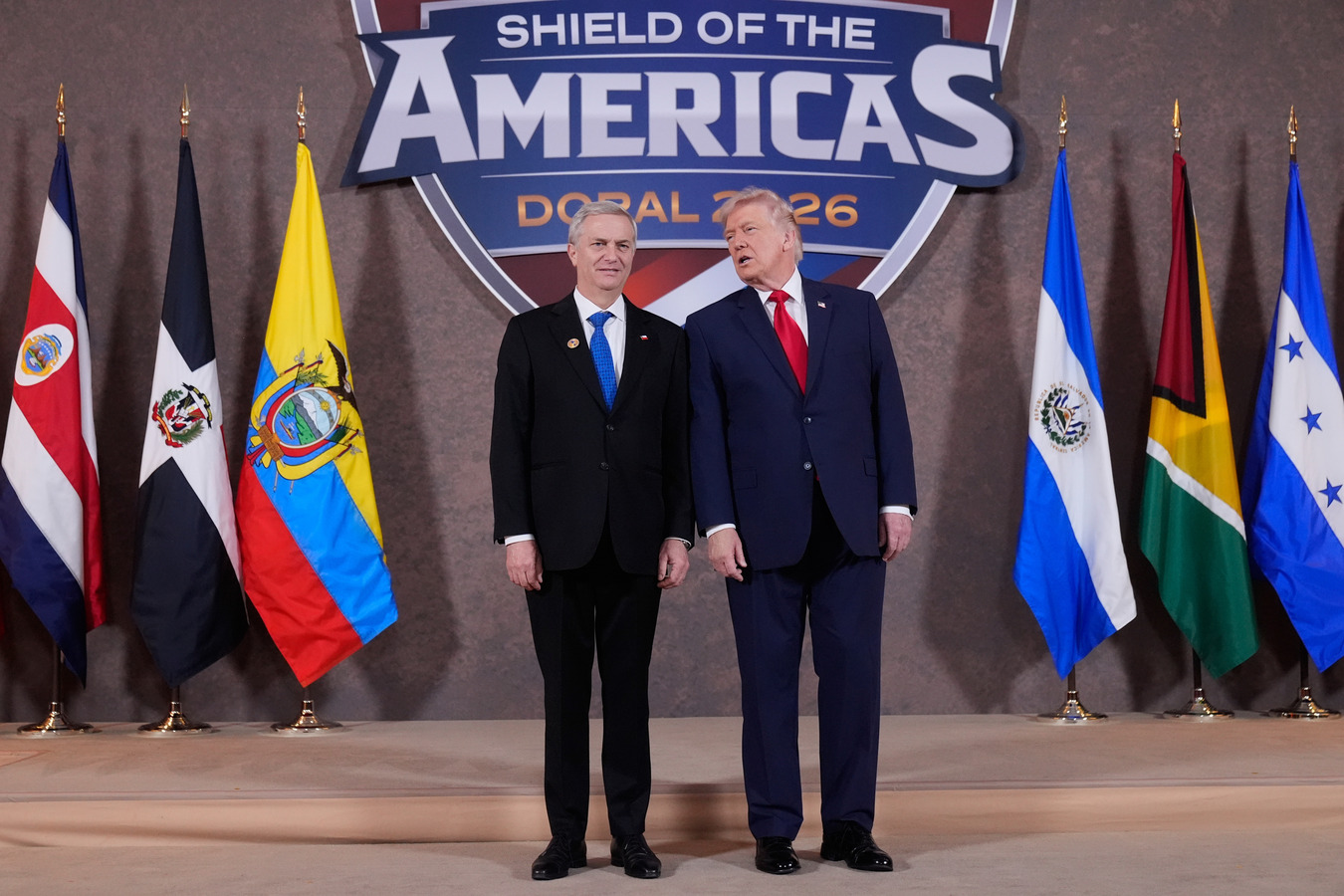
The Trump administration’s national security strategy was the talk of the town among foreign policy analysts when it came out in December. That was especially true in Latin America circles, thanks to the document signaling a renewed Monroe Doctrine for the Western Hemisphere.
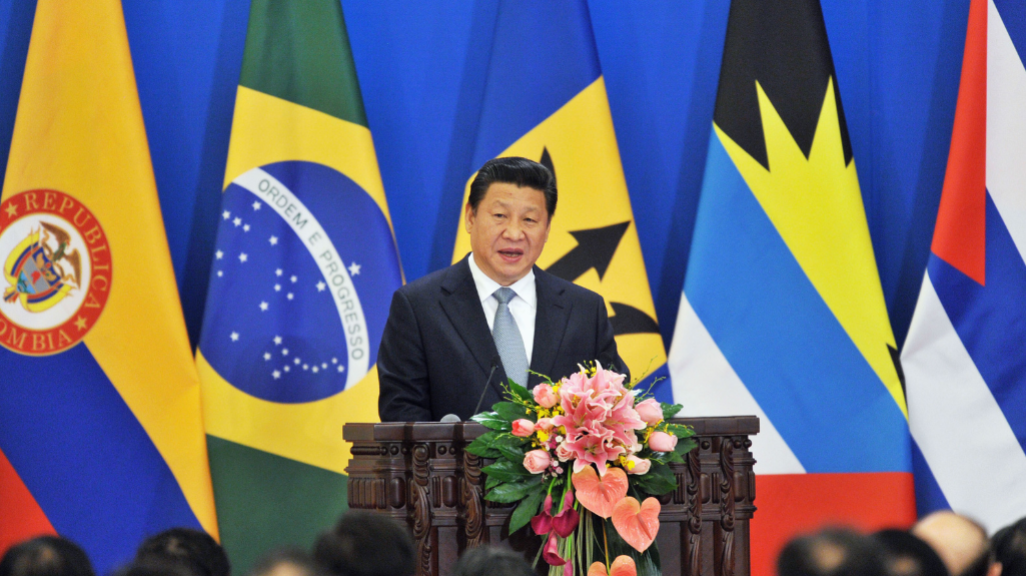
But what got less attention was the fact that, just after the release of the U.S. strategy that warned external powers against trying to exert their influence in the Americas, China published its own white paper—this one focusing just on Latin America and the Caribbean. It was only the third time Beijing put out a policy paper on the region and the first one in a decade.
Then, less than a month after these two great powers charted out their diverging strategies for the hemisphere, the U.S. capture of Nicolás Maduro on January 3 upended the hemispheric chessboard.
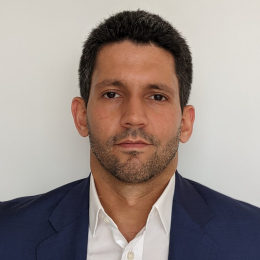
How are Latin American countries handling their Beijing ties in a post-Maduro world? Parsifal D’Sola Alvarado, founder and executive director of the Andrés Bello Foundation for China and Latin America Research, joined the podcast to answer these questions and why events in Venezuela have ended the “era of cheap ambiguity,” even as leaders like Argentina’s Javier Milei learn to balance ties with the two big powers. D’Sola, who served as a foreign policy advisor to the interim Venezuelan government from 2019 to 2020, sketches the evolution of China’s relationship with Venezuela, from the era of Hugo Chávez to the lessons learned from the dealing with the unreliable Maduro regime.
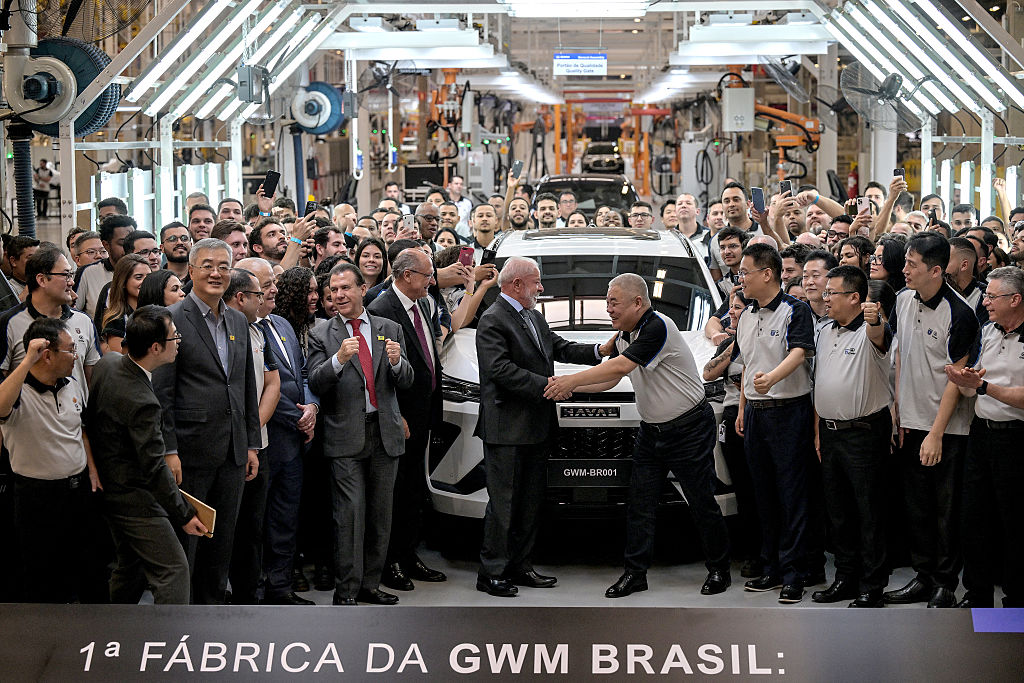
Speaking with AS/COA Online’s Carin Zissis, the guest also spelled out novelties in Beijing’s new white paper, including a strategy for military ties in the region. But D’Sola, who was based in China for eight years while working for the news outlet China Files, says the Asian giant is also well aware that the Western Hemisphere is inside “the U.S. sphere of influence,” adding: “ Beijing has enough problems with the United States to have one more where there's not much that they can get out of this other than ruffling feathers in Washington.”
In a conversation that covered how countries from Mexico to Colombia to Chile are approaching Beijing, D’Sola points out that, even as China has drawn up a strategy for the region, Latin American countries have yet to think as strategically in return. "My recommendation, whenever I talk to anyone is ‘you should, within your foreign ministry, set up an office explicitly to formulate a China policy’,” he says. “It's not possible that after the United States, [China is] the other world power that has the most influence in our countries economically, politically, nowadays even socially—and we are completely unprepared."
Subscribe to Latin America in Focus, AS/COA's podcast focusing on the latest trends in politics, economics, and culture throughout the Americas.